English
 简体中文
 VIETNAM-IMMI.ORG


Last Updated: Wednesday, August 05, 2026
Planning a trip to Vietnam involves picking out your dream destinations—from the emerald waters of Ha Long Bay to the vibrant energy of Saigon. However, before you pack your bags, securing your entry authorization is the most vital step.
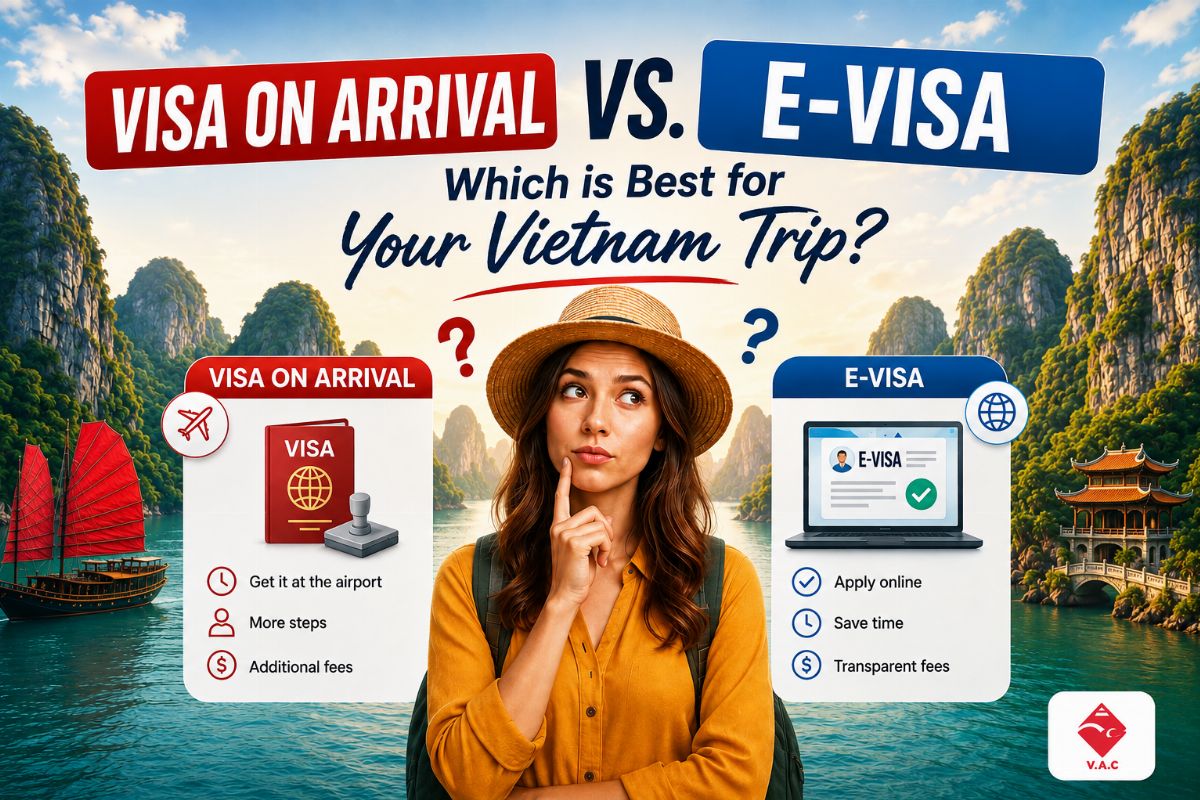
Navigating the entry rules can feel confusing, as travelers often get caught between two primary options: the Electronic Visa (e-Visa) and the traditional Visa on Arrival (VOA). Understanding the difference between Vietnam e-Visa and Visa on Arrival is crucial to choosing the smoothest path for your journey. Here is a clear breakdown of Vietnam e-Visa vs. VOA to help you decide which Vietnam visa is best for your travel style.
Understanding the Basics: How Each Option Works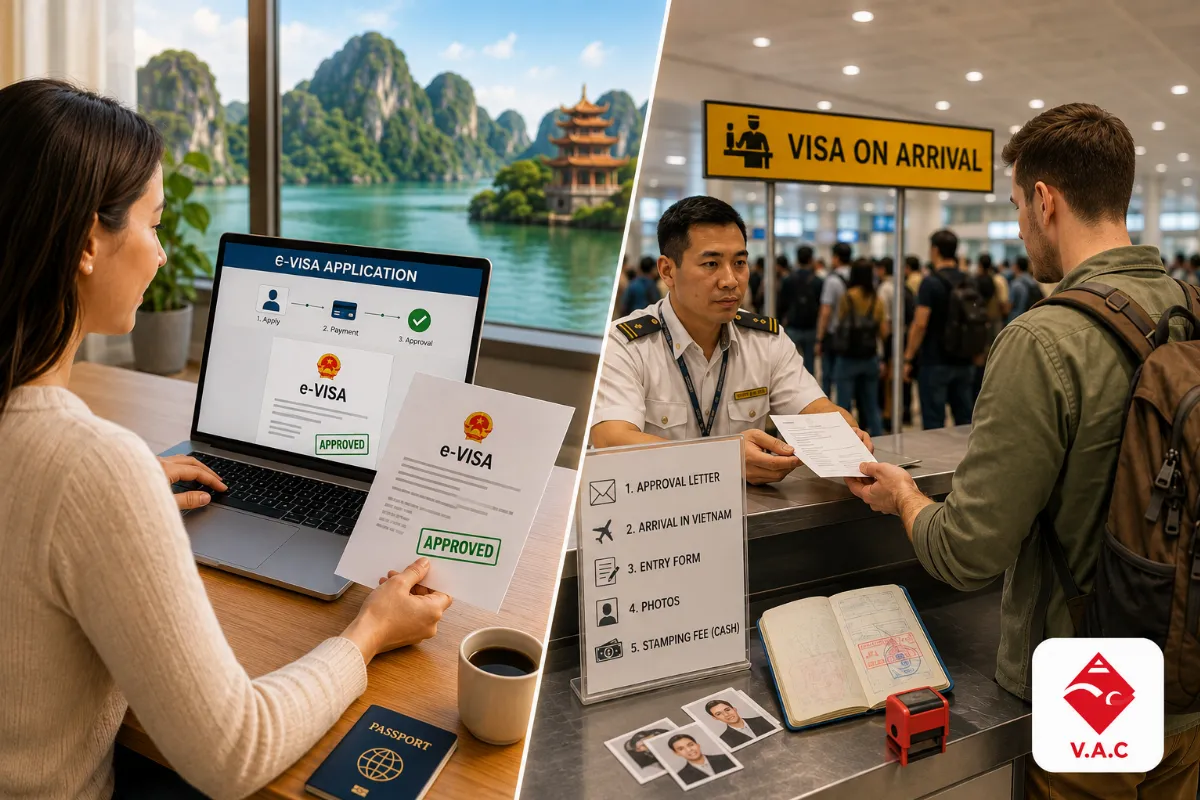
Both entry pathways are valid and widely used, but they function through completely different application mechanisms.
The Modern Framework of the Vietnam e-Visa
The Vietnam e-Visa is a fully digital entry permit managed directly by the Vietnam Immigration Department. Travelers submit their passport copy and photo online, pay a fixed fee, and receive an electronic visa document via email. Once approved, you simply print it out and present it directly at immigration control. It is valid for up to 90 days with single or multiple-entry options.
The Traditional Process of Vietnam Visa on Arrival
Historically, Vietnam Visa on Arrival (VOA) was the go-to choice for international tourists. Unlike the e-Visa, VOA is a two-step process. First, you must obtain an official Visa Approval Letter through a travel agency before your flight. Upon landing at an international airport in Vietnam, you must present this letter, fill out an entry form, submit physical photos, pay a stamping fee in cash, and wait for your visa sticker to be affixed to your passport.
Key Comparisons: Vietnam e-Visa vs. Visa on Arrival
To choose the right option, you need to weigh convenience, entry points, and total costs.
Convenience and Airport Wait Times
When analyzing Vietnam e-Visa vs Visa on Arrival, convenience is the biggest factor. With an e-Visa, you skip the landing visa counter at the airport entirely and proceed straight to passport control, saving you 30 to 60 minutes after a long flight. VOA requires you to join a dedicated queue upon arrival, which can be exhausting during peak travel hours.
Entry Points and Flexibility
-
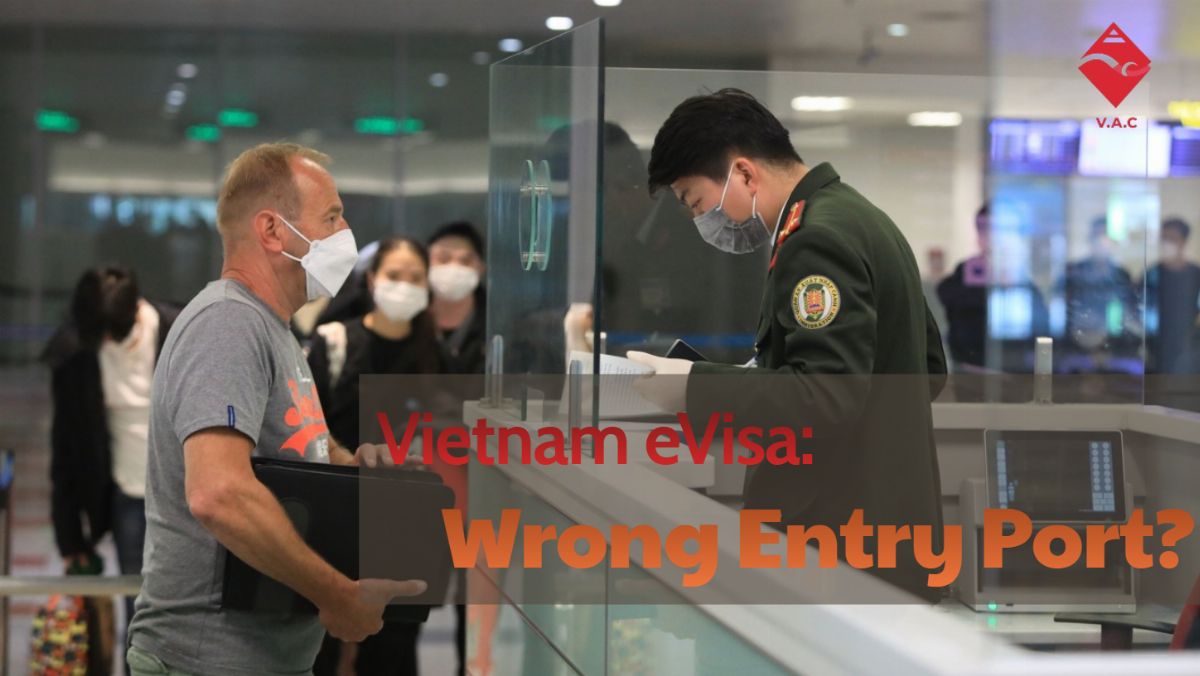
e-Visa: Valid across 42 international border checkpoints, including major international airports, land borders with neighboring countries, and seaports.
-
Visa on Arrival: Strictly limited to international airports (Hanoi, Ho Chi Minh City, Da Nang, Cam Ranh, Phu Quoc). If you plan to enter Vietnam overland or by cruise ship, VOA is not an option.
Cost Transparency
With an e-Visa, you pay a single flat fee online ($25 for single-entry, $50 for multiple-entry). With VOA, you pay a service fee for the approval letter online, plus a cash stamping fee ($25 for single-entry, $50 for multiple-entry) directly at the airport in USD or VND.
Handling Emergency Travel: When You Need a Visa Fast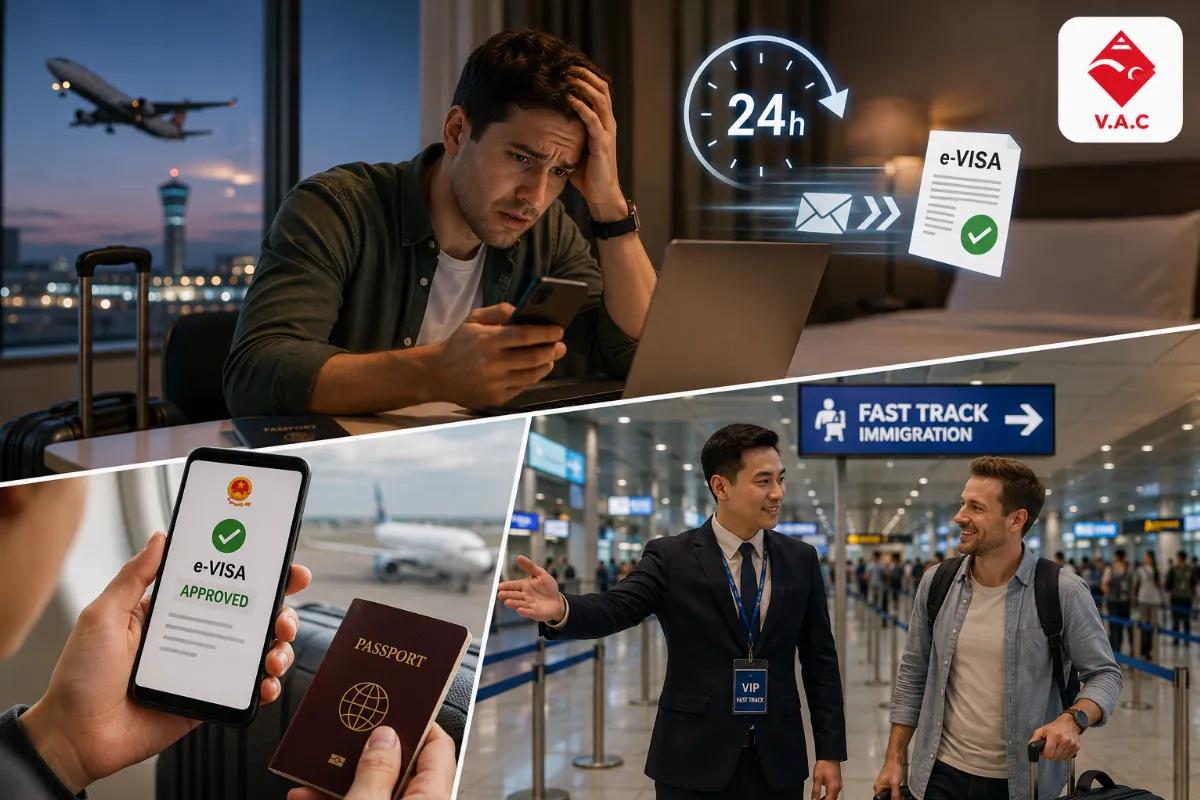
Standard processing times for a standard e-Visa typically range between 3 to 5 business days. However, unexpected travel changes or last-minute holidays demand faster solutions.
Emergency Same Day Vietnam Visa Solutions
If your flight departure is less than 24 hours away and your e-Visa hasn't arrived, a same day Vietnam visa service is your best lifeline. Specialized agencies can accelerate your paperwork through government channels, issuing approved travel clearances in just a few hours so you don't miss your flight.
Breezing Through Immigration with a Fast Track Vietnam Visa
Even if you hold a valid visa document, long queues at peak airport arrival hours can delay your journey. Pairing your entry permit with a fast track Vietnam visa service ensures a dedicated airport agent meets you right at the arrival gate and guides you through priority immigration lanes within minutes.
Key Takeaways: Which Vietnam Visa is Best for You?
-
Choose the e-Visa if: You want a 100% online process, want to avoid paying cash at the airport, or plan to enter via land/sea borders.
-
Choose Emergency Services if: You are flying within 24–48 hours and need an expedited same day Vietnam visa.
-
Add Fast Track if: You want to skip long queues and enjoy VIP airport clearance regardless of your visa type.
Frequently Asked Questions (FAQ)
Can I get a Visa on Arrival without a pre-approved approval letter?
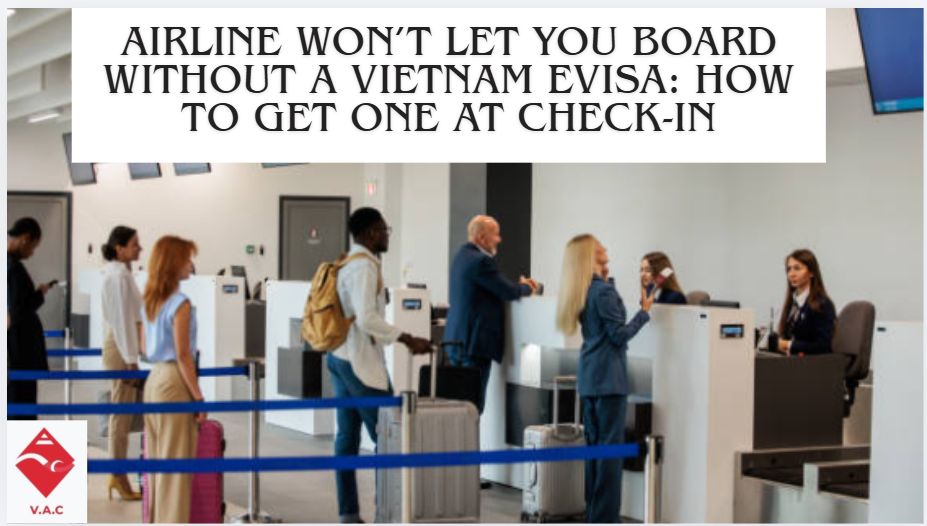
No. You cannot board an international flight to Vietnam intending to get a VOA without presenting a valid, pre-approved Visa Approval Letter to the airline at check-in.
How long before my flight should I apply for a Vietnam e-Visa?
It is strongly recommended to fulfill all vietnam visa requirements and submit your e-Visa application at least 1 to 2 weeks before your planned departure date to account for public holidays or system backlogs.
What should I do if my e-Visa contains a typo?
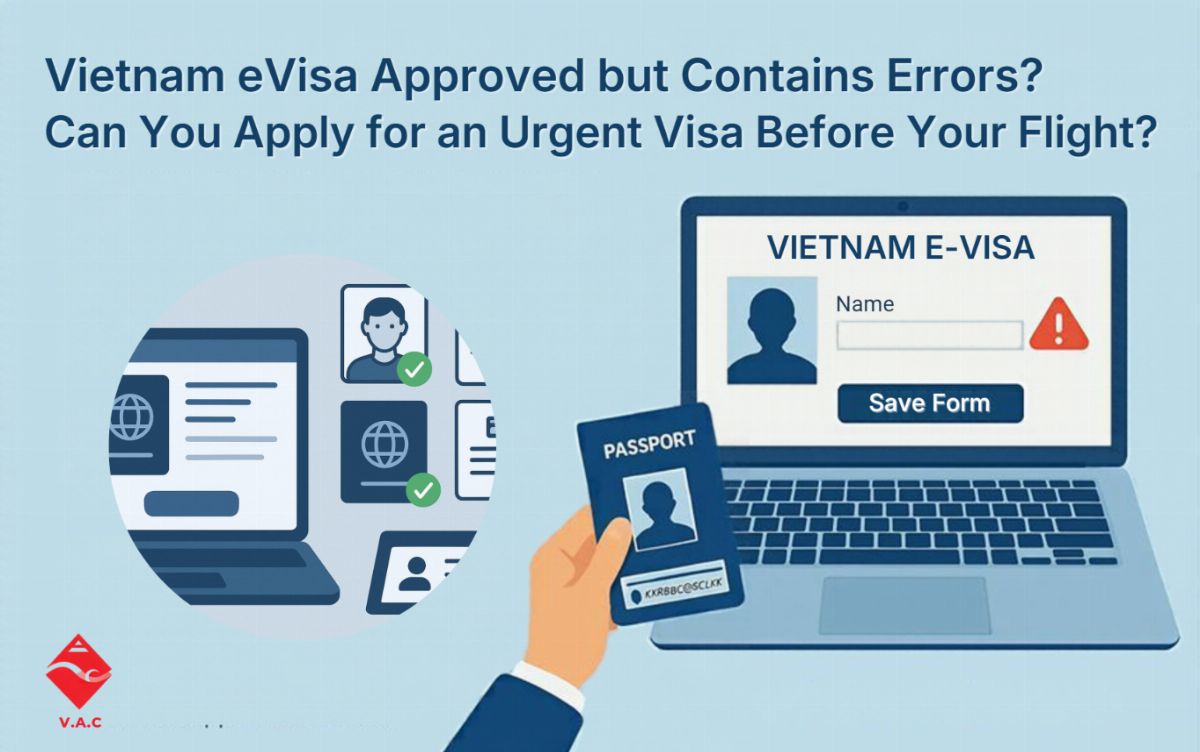
If there is a typo in your passport number, name, or date of birth, airlines will deny boarding. You must apply for an urgent visa correction or an express clearance immediately before heading to the airport.
Whether you need a fast visa, airport fast track, private car, or eSIM, Vietnam-Immi.org is here 24/7 to support your trip.
-
Website: https://vietnam-immi.org
-
App IOS Download: Download on App Store
-
App Android: Download on Google Play
-
WhatsApp: +84379522522
-
Hotline: +84.379.522.522
-
Email: sales@vietnam-immi.org