English
 简体中文
 VIETNAM-IMMI.ORG

Last Updated: Sunday, September 13, 2026
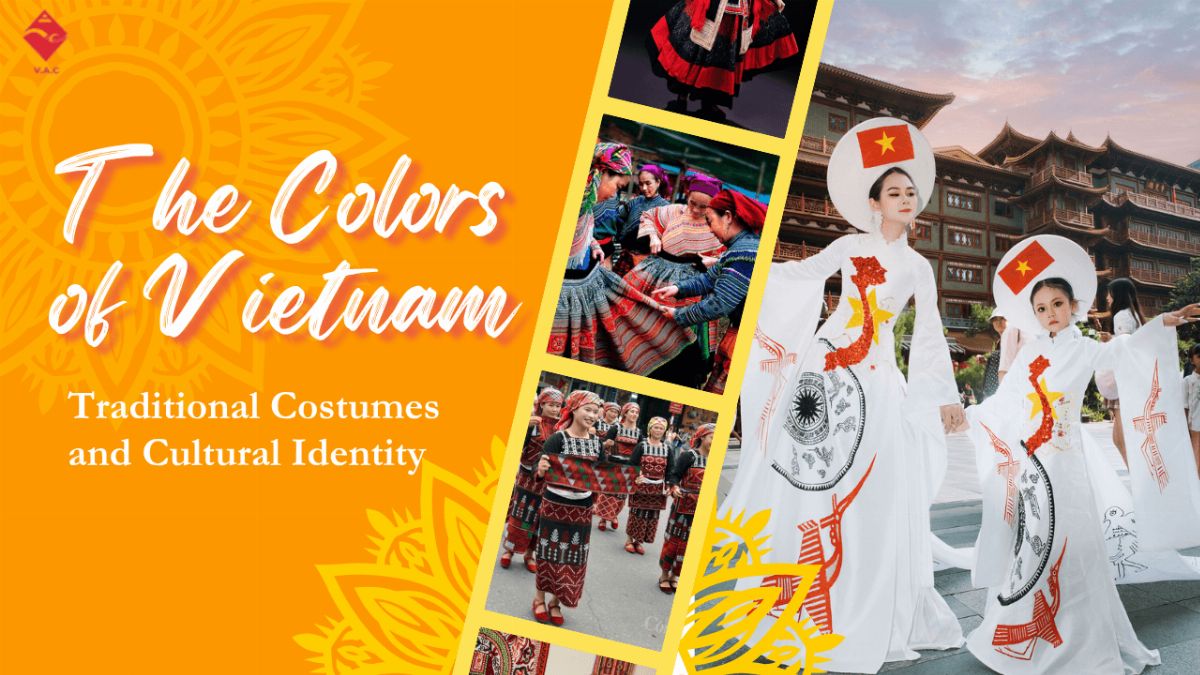
Vietnam is often remembered through its landscapes, food, and bustling cities, but its cultural identity can also be seen in the clothes people wear. From the elegant áo dài in major cities to the colorful embroidered garments of ethnic communities in the mountains, clothing tells stories about history, family, beliefs, and local traditions.
For travelers, discovering Vietnam traditional costumes is more than simply taking beautiful photographs. It is a way to understand how different communities have preserved their identity across generations.
Why Traditional Clothing Matters in Vietnamese Culture
Clothing is more than fashion
Traditional clothing in Vietnam has long reflected where people come from, what community they belong to, and the traditions they value. Materials, colors, embroidery, jewelry, and even the way a garment is worn can vary from one ethnic group or region to another.
The country's 54 officially recognized ethnic groups have developed their own distinctive cultural expressions. This is especially noticeable in northern mountain areas, where traditional clothing remains closely connected to festivals, weddings, ceremonies, and everyday life.
For visitors, this diversity makes Vietnam particularly interesting. You can travel only a few hours from a modern city and encounter communities with completely different textile traditions.
The Áo Dài: Vietnam's Most Recognizable Traditional Dress
Elegant, simple, and unmistakably Vietnamese
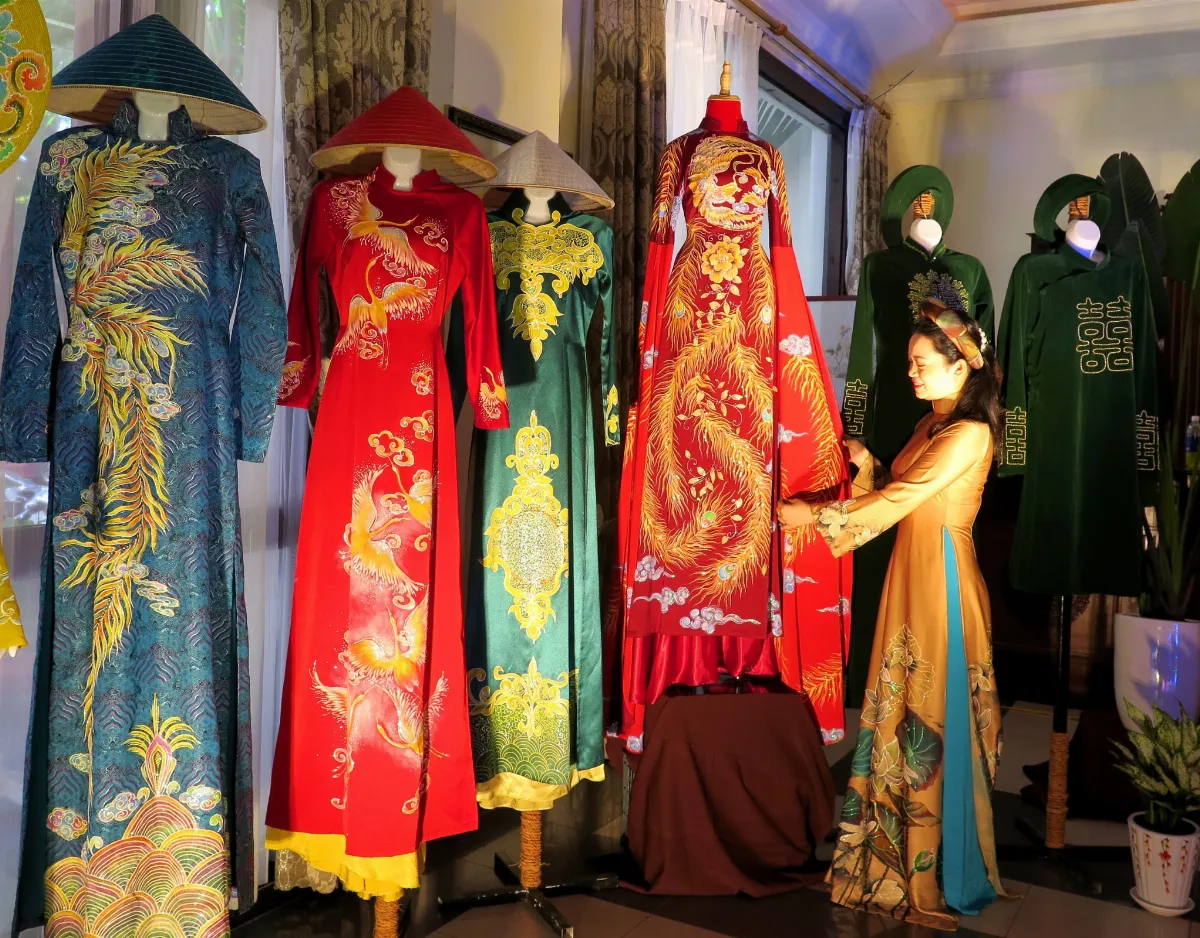
When people think of Vietnamese clothing, the áo dài is probably the first image that comes to mind. This long, fitted tunic is usually worn over trousers and is known for its graceful silhouette.
The áo dài has become strongly associated with Vietnamese identity and is commonly seen at weddings, cultural celebrations, formal events, and school ceremonies. Modern versions come in many colors and fabrics, but the basic design remains instantly recognizable.
White áo dài may be associated with school uniforms, while bright colors and elaborate designs are often chosen for celebrations. During special occasions, embroidered or richly decorated áo dài can create a striking combination of tradition and modern fashion.
For international visitors, seeing the áo dài in everyday Vietnamese life offers a glimpse into how traditional culture continues to exist alongside contemporary lifestyles.
Source: Internet
Vietnam Ethnic Minority Clothing: A World of Colors
Every community has its own visual language
One of the most fascinating aspects of Vietnam ethnic minority clothing is its incredible variety. In northern Vietnam, particularly around destinations such as Sapa, Ha Giang, and Cao Bang, travelers may encounter communities wearing garments decorated with detailed embroidery, woven patterns, silver jewelry, and vibrant colors.
The Hmong, Dao, Tay, Thai, and other ethnic groups each have distinctive textile traditions. Some garments feature geometric patterns, while others use floral motifs or elaborate embroidery. Indigo-dyed fabrics are also common among several communities, creating a beautiful contrast with colorful decorative details.
These clothes are not simply designed to look attractive. Patterns and techniques may be passed from mothers to daughters, while certain garments can indicate age, marital status, community, or ceremonial importance.
The beauty of handwoven textiles
Traditional textile-making can require considerable time and skill. In some communities, fabrics are woven, dyed, embroidered, and decorated by hand.
This craftsmanship gives each garment a personal character. Small differences in stitching or pattern placement can make one piece different from another, which is part of the charm of handmade clothing.
Travelers interested in local culture can often learn more by visiting ethnic villages, community markets, or cultural museums rather than simply buying a costume as a souvenir.
What Do the Colors Mean?
Red, indigo, black, and bright embroidery
Colors in Vietnamese traditional clothing can carry cultural and symbolic meanings, although their significance varies between communities.
Red is often associated with celebration, energy, happiness, or important occasions. Indigo and deep blue are particularly recognizable in northern mountain textiles, partly because natural dyes have historically been used to create these shades.
Black can also be an important base color for traditional garments, providing a strong background for colorful embroidery and silver accessories.
Brightly colored patterns, meanwhile, can transform otherwise simple fabrics into eye-catching pieces. When you visit a local market in northern Vietnam, the combination of red, pink, green, yellow, blue, and indigo can make the entire scene feel like an open-air textile exhibition.
Where Can Travelers See Traditional Costumes in Vietnam?
Sapa and the northern mountains
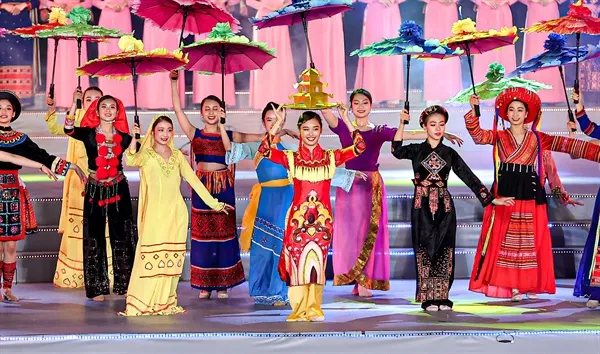
Sapa is home to several ethnic communities, including the Hmong, Red Dao, Tay, Giay, and Xa Pho. Visitors can often see traditional clothing at local markets and in villages around Sapa. Hmong women are known for indigo-dyed clothing, embroidered details, and patterned skirts, while Red Dao women often wear richly embroidered trousers and distinctive red headdresses decorated with silver ornaments. Bac Ha Market, in the wider Lao Cai area, is another well-known place to see traditional costumes from several northern ethnic groups.
Source: Internet
Ha Giang for a closer look at ethnic dress
Ha Giang is particularly rich in ethnic cultures, with communities such as the Hmong, Tay, Dao, Lo Lo, and Nung. In villages and on market days, travelers may see Hmong women wearing colorful embroidered skirts and indigo jackets, while Red Dao communities are recognizable for their red-trimmed clothing, embroidered trousers, and elaborate red headdresses. In Nam Dam Cultural Village, visitors can also encounter Dao Cham, whose women traditionally wear long tunics, embroidered headscarves, and layered silver jewelry.
Hoi An and Hue: Vietnamese áo dài and Central Vietnamese heritage
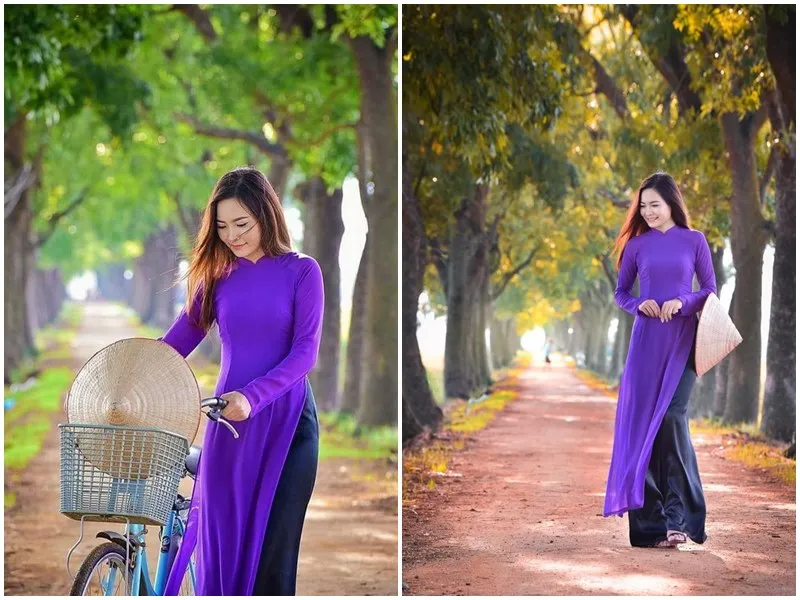
In Hoi An and Hue, traditional dress is more closely associated with Vietnamese Kinh culture than with the ethnic minority costumes of the northern mountains. The áo dài, a long fitted tunic worn over trousers, is especially visible during festivals, cultural performances, weddings, school ceremonies, and photography sessions. Hue also has a strong connection with Nguyen-dynasty royal clothing, including the formal garments historically worn at the imperial court.
Source: Internet
Hanoi and Ho Chi Minh City
Hanoi and Ho Chi Minh City provide opportunities to see both Kinh traditional dress and costumes representing Vietnam's ethnic minorities. The áo dài is commonly seen at cultural festivals, weddings, schools, museums, and public celebrations. In Hanoi, the Vietnam Museum of Ethnology and the Vietnam Women's Museum offer a more structured way to see traditional costumes from different ethnic groups, including Hmong, Dao, Tay, and other communities. Ho Chi Minh City is also known for events such as the Áo Dài Festival, where the traditional Vietnamese dress is presented in contemporary designs and performances.
How to Appreciate Traditional Clothing Respectfully
Ask before taking photographs
Traditional clothing is part of people's identity, not simply a tourist attraction. If you want to photograph someone wearing traditional clothing, asking permission first is always a good idea.
Choose authentic experiences
Instead of buying mass-produced costumes immediately, consider visiting a local artisan workshop or community market. Learning how fabric is woven or embroidered can make the experience much more meaningful.
Understand before you wear
Some garments may have ceremonial or cultural significance. If you are invited to wear traditional clothing, ask your host how it should be worn and whether there are any cultural considerations.
Respectful curiosity usually leads to a better travel experience.
Planning a Cultural Trip to Vietnam
A little preparation makes the journey easier
If you are visiting Vietnam specifically to explore its cultural diversity, consider combining major cities with a trip into the northern mountains. Hanoi can serve as a convenient starting point before continuing toward destinations such as Sapa or Ha Giang.
International travelers should also check their entry requirements before traveling. Depending on nationality and travel plans, you may need a Vietnam visa before arriving in the country.
For travelers arriving from abroad, preparing visa documents, transportation, accommodation, and local travel arrangements in advance can make the trip much smoother—especially when your itinerary includes remote mountain destinations.
Key Takeaways
-
Vietnam traditional costumes reflect history, regional culture, and community identity.
-
The áo dài is Vietnam's most recognizable traditional garment and remains popular today.
-
Vietnam ethnic minority clothing is especially diverse in northern mountain regions.
-
Colors, embroidery, weaving techniques, and accessories can carry cultural significance.
-
Sapa, Ha Giang, Hanoi, Hue, and Hoi An are excellent places to experience Vietnamese clothing traditions.
-
Travelers should approach traditional clothing and photography with cultural respect.
-
Check Vietnam visa requirements before planning an international trip to Vietnam.
Frequently Asked Questions (FAQ)
What is the most famous traditional costume in Vietnam?
The áo dài is the most internationally recognized Vietnamese traditional garment. It is commonly worn during formal occasions, celebrations, weddings, and cultural events.
Where can I see ethnic minority clothing in Vietnam?
Sapa, Ha Giang, Cao Bang, and other northern mountain destinations are among the best places to encounter traditional clothing worn by ethnic communities.
Can tourists wear Vietnamese traditional costumes?
Yes. Tourists can often rent or purchase áo dài and other traditional-inspired clothing for cultural experiences or photography. When wearing clothing associated with a specific ethnic community, it is best to learn about its cultural meaning and follow local guidance.
Do foreigners need a Vietnam visa to visit Vietnam?
Visa requirements depend on nationality and the traveler's circumstances. Eligible travelers can apply for a Vietnam e-visa, but they should check the current entry requirements and permitted entry point before traveling.
Whether you need a fast visa, airport fast track, private car, or eSIM, Vietnam-Immi.org is here 24/7 to support your trip.
-
Website: https://vietnam-immi.org
-
App IOS Download: Download on App Store
-
App Android: Download on Google Play
-
WhatsApp: +84379522522
-
Hotline: +84.379.522.522
-
Email: sales@vietnam-immi.org