English
 简体中文
 VIETNAM-IMMI.ORG



Last Updated: Wednesday, September 9, 2026
Vietnam is one of those countries where a few hours of travel can feel like entering a completely different world.
In the north, you will find misty mountains, ancient streets, traditional villages, and the historic capital of Hanoi. Travel further south and the scenery, food, and rhythm of daily life begin to change. In Central Vietnam, old imperial cities sit alongside beautiful beaches, while the south feels warmer, busier, and more tropical.
Understanding the differences between the three regions can make planning your trip much easier. Whether you have one week or several weeks, this Vietnam region's travel guide will help you decide where to go and what kind of experience to expect.
Northern Vietnam: History, Mountains and Traditional Charm
Hanoi: Where old and new meet
Source: Internet
Source: Internet
Northern Vietnam is often the first choice for travelers who want to experience the country's history and traditional character.
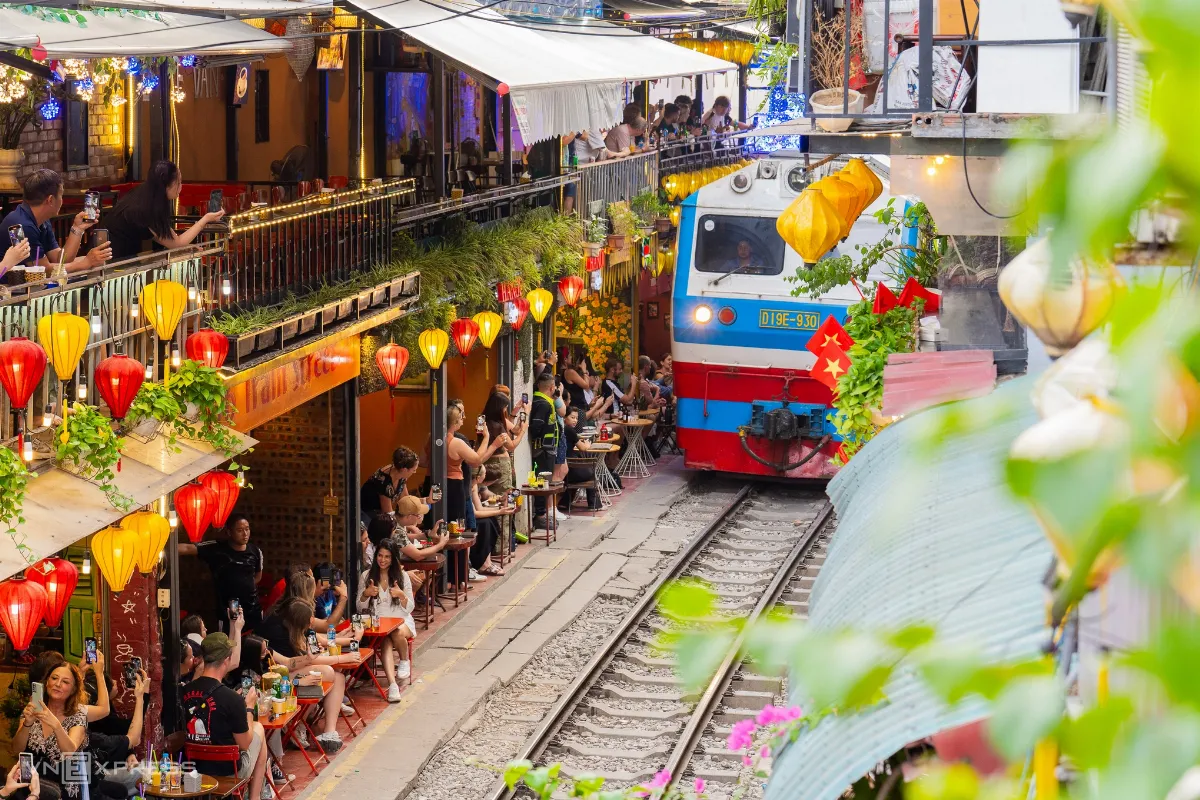
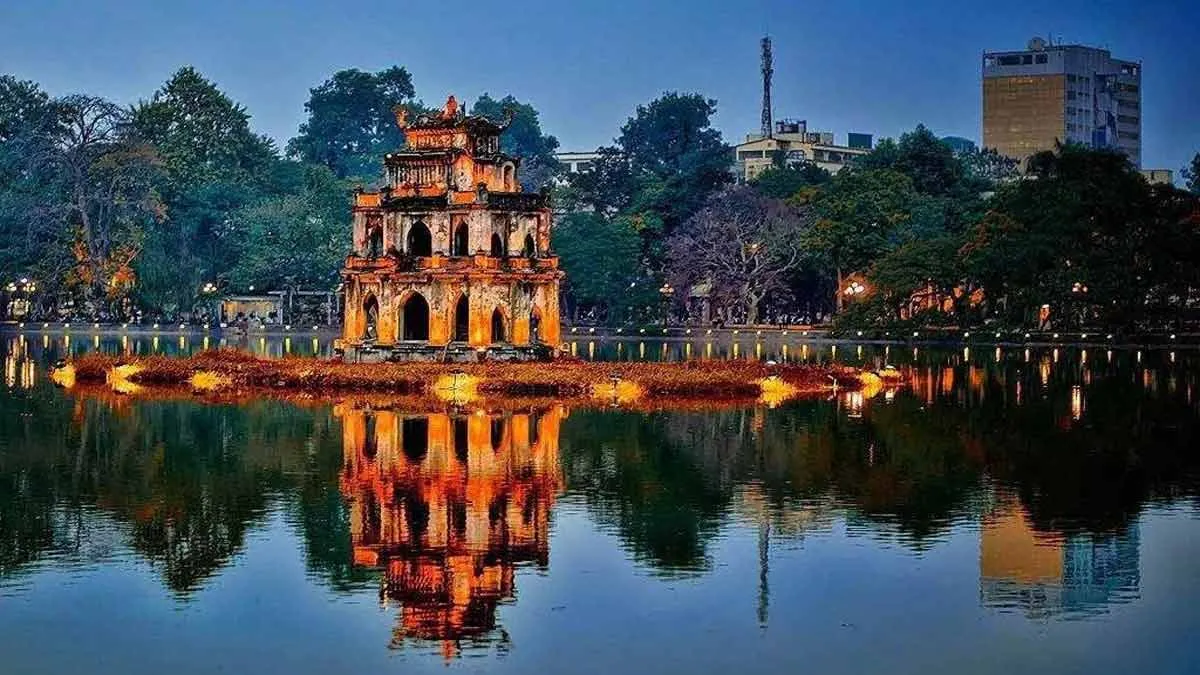
Hanoi is at the heart of the region. The capital has a personality of its own, from the narrow streets of the Old Quarter to peaceful lakes, centuries-old temples, French colonial buildings, and tiny cafés tucked into busy neighborhoods.
One of the best ways to experience Hanoi is simply to walk. You might start the morning with a bowl of pho, spend an hour exploring a local market, and finish the afternoon with a Vietnamese coffee while watching the traffic pass by.
Ha Long Bay, Ninh Binh and the northern mountains
Source: Internet
The landscapes outside Hanoi are just as memorable.
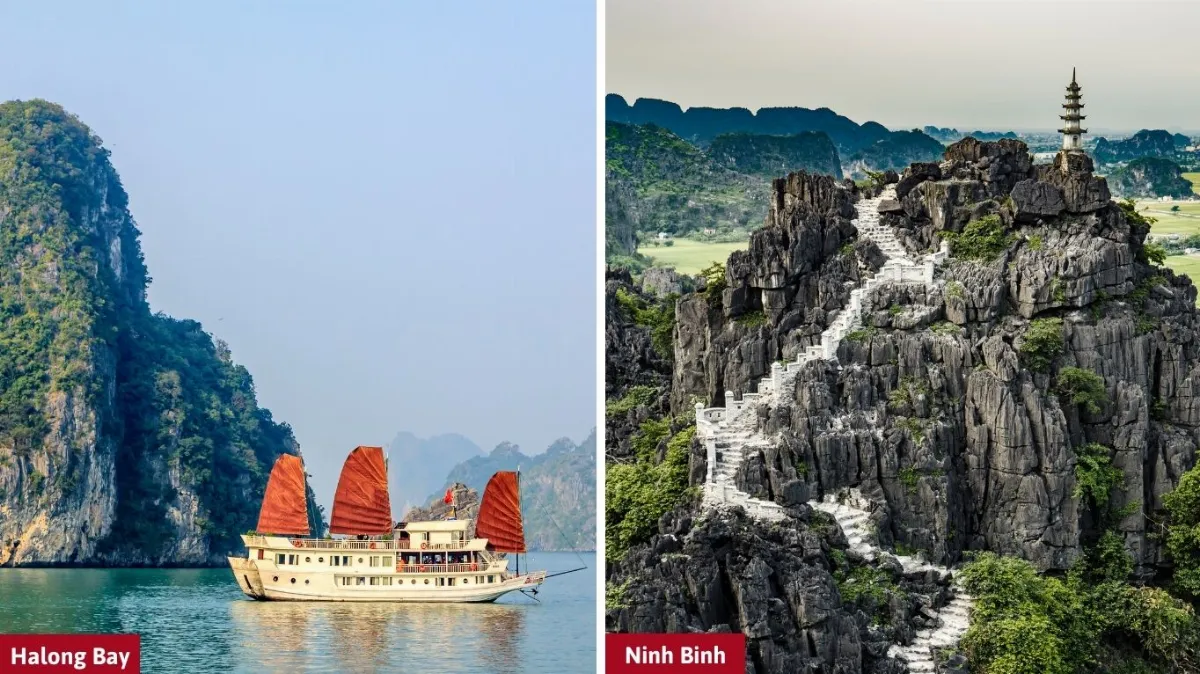
Ha Long Bay is known for its towering limestone islands and calm emerald waters. Ninh Binh offers a different but equally impressive landscape, with rivers winding through rice fields and limestone mountains.
For travelers who prefer mountains and cultural experiences, Sapa and Ha Giang are excellent choices. These areas are home to dramatic mountain scenery and communities from several ethnic minority groups.
If you enjoy trekking, photography, road trips, or simply getting away from the city, northern Vietnam is hard to beat.
Central Vietnam: Heritage, Beaches and Local Flavors
Hoi An: A town made for slow travel
Source: Internet
Central Vietnam has a noticeably different rhythm.
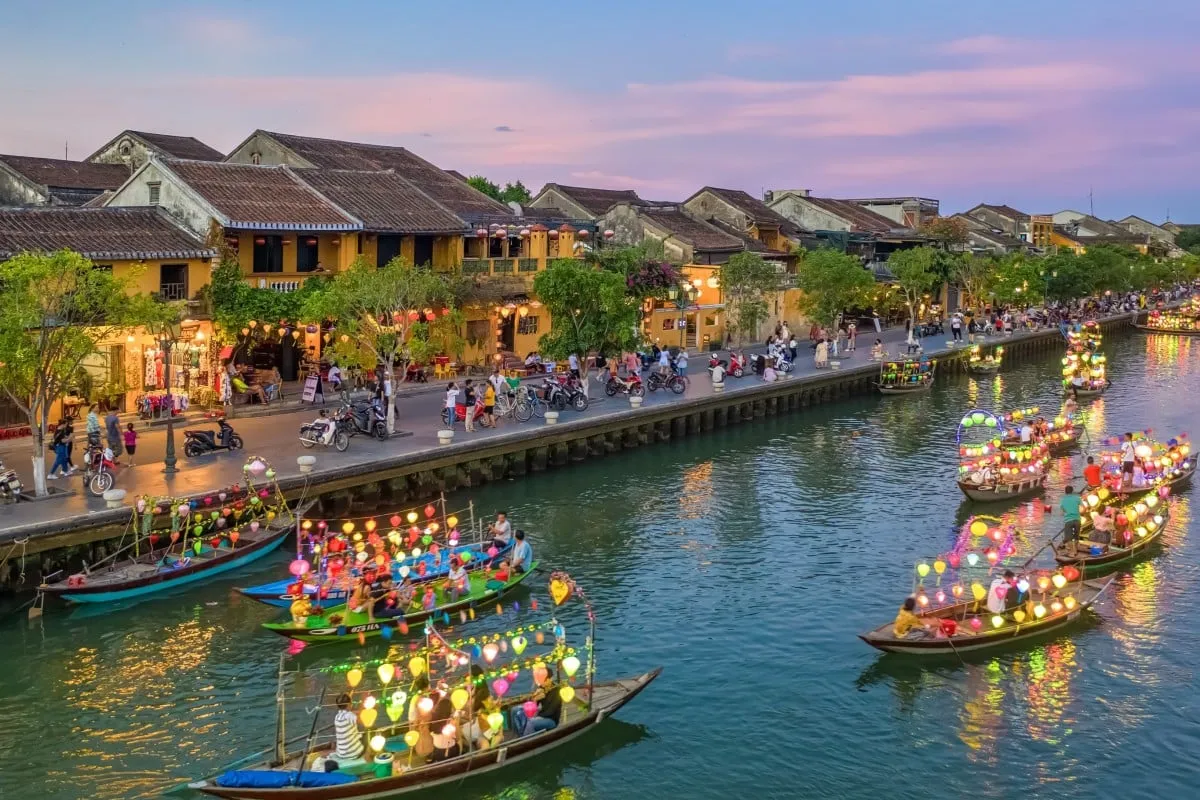
Hoi An is probably the region's most famous destination. Its old town is filled with yellow buildings, colorful lanterns, small cafés, local restaurants, and shops selling everything from handmade souvenirs to tailored clothing.
The town is especially beautiful in the evening when the lanterns begin to glow along the streets and river.
But Hoi An is not only about sightseeing. Rent a bicycle, ride through the surrounding countryside, visit a local market, or spend an afternoon at An Bang Beach. These slower experiences are often what make visitors fall in love with the area.
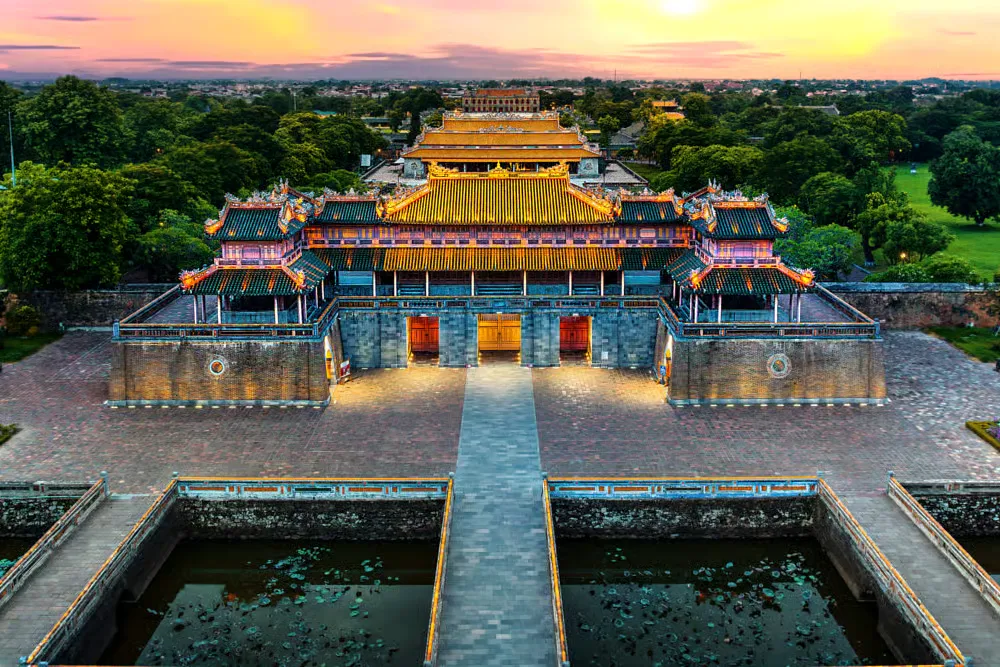
Hue and Da Nang
Source: Internet
Hue offers a more historical side of Central Vietnam. As the former imperial capital, it is known for its citadel, royal tombs, temples, and distinctive cuisine.
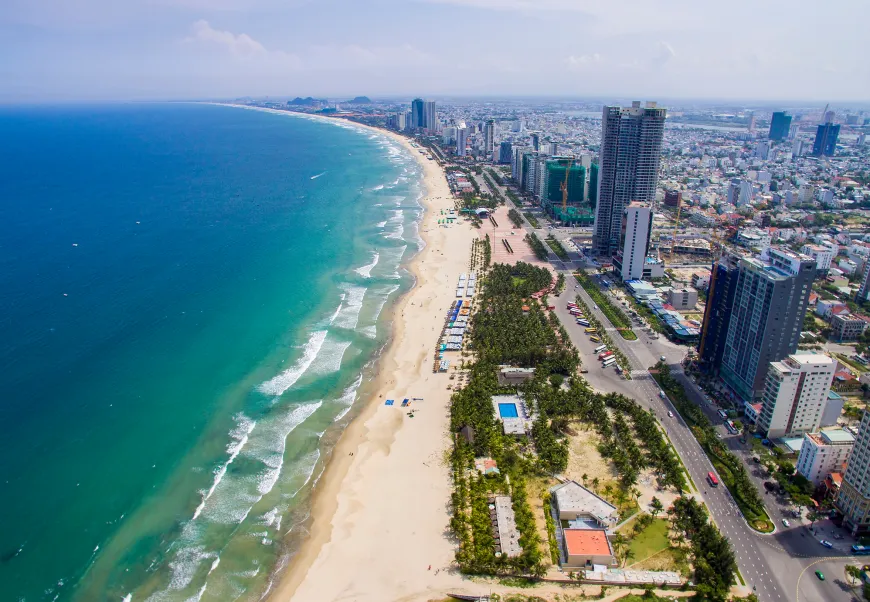
Da Nang, on the other hand, is modern, convenient, and beach-focused. My Khe Beach is close to the city center, while the Marble Mountains and nearby attractions make it easy to add sightseeing to a beach holiday.
Source: Internet
For many travelers, Central Vietnam provides the best balance between culture, relaxation, food, and sightseeing.
Southern Vietnam: City Energy, Food and Tropical Escapes
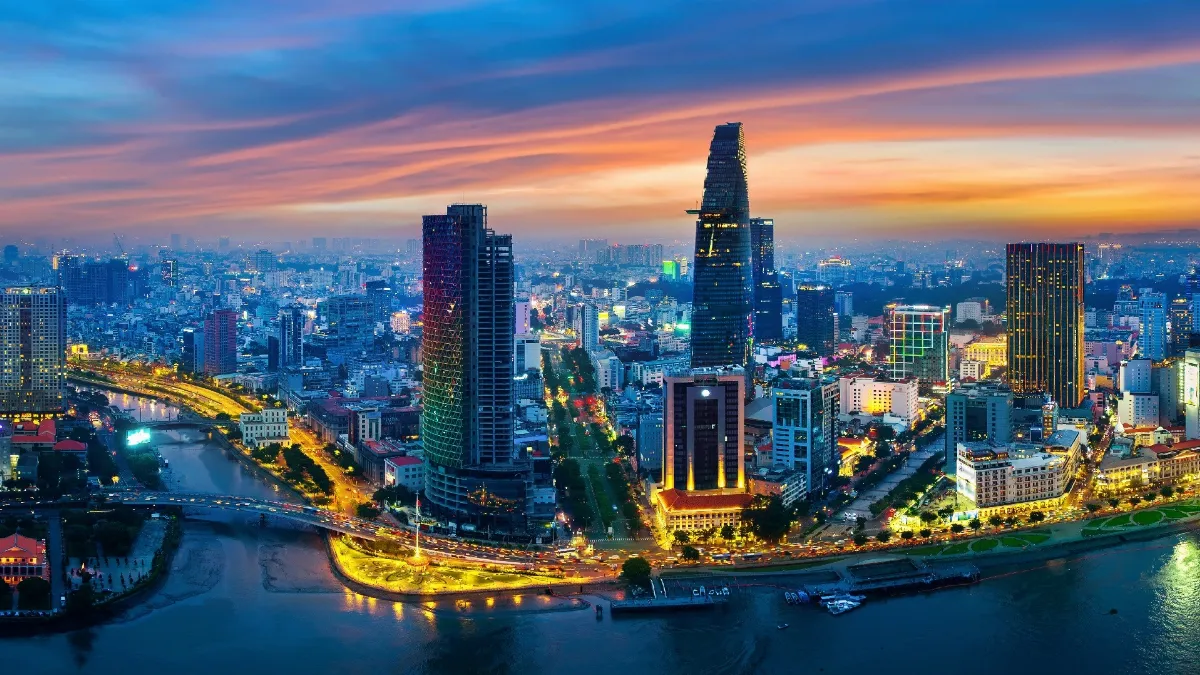
Ho Chi Minh City: Vietnam at full speed
Source: Internet
Southern Vietnam has a completely different energy.
Ho Chi Minh City is busy, modern, and constantly moving. Motorbikes dominate the streets, rooftop cafés overlook the city skyline, and food stalls remain active well into the evening.
The city is a great place to explore Vietnamese food. From banh mi and broken rice to street-side seafood and modern restaurants, there is always something new to try.
History is also an important part of the city. Museums, colonial-era buildings, and historic landmarks offer visitors a chance to understand some of the major events that shaped modern Vietnam.
The Mekong Delta and Phu Quoc
Leave Ho Chi Minh City behind and the pace quickly becomes slower.
The Mekong Delta is famous for its rivers, canals, fruit gardens, floating markets, and rural communities. A boat trip through the delta gives travelers a glimpse of a side of Vietnam that feels far removed from the country's major cities.

Source: Internet
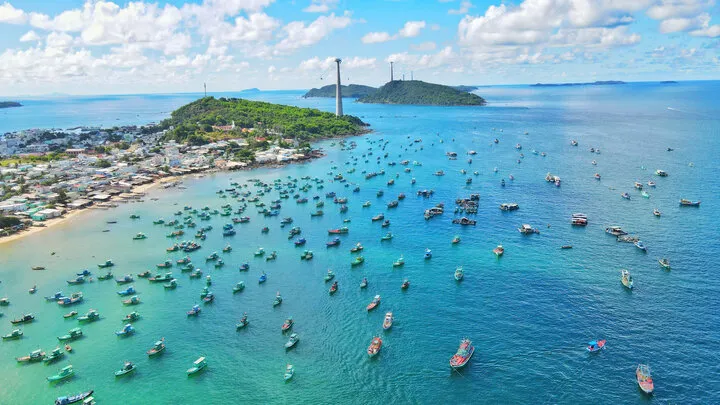
If you prefer beaches, Phu Quoc is one of the south's most popular destinations. Its tropical coastline, resorts, seafood restaurants, and island activities make it a natural place to relax at the end of a longer Vietnam trip.
Source: Internet
North, Central or South Vietnam: Where Should You Go?
Choose Northern Vietnam for culture and scenery
Northern Vietnam is a good fit if you are interested in history, traditional culture, mountains, and dramatic landscapes.
Hanoi, Ninh Binh, Ha Long Bay, Sapa, and Ha Giang can create a very varied itinerary without leaving the northern part of the country.
Choose Central Vietnam for beaches and heritage
Central Vietnam works particularly well for travelers who want a little bit of everything.
You can explore the ancient streets of Hoi An, visit the imperial heritage of Hue, enjoy the beaches of Da Nang, and try some of the country's most distinctive regional dishes.
Choose Southern Vietnam for food and tropical travel
Southern Vietnam is ideal if you enjoy energetic cities, food, river adventures, and beaches.
A combination of Ho Chi Minh City, the Mekong Delta, and Phu Quoc can give you three very different experiences within one region.
Can You Visit All Three Regions in One Trip?
Yes, but avoid rushing
It is possible to travel through North, Central and South Vietnam in a single holiday, especially if you use domestic flights for longer distances.
A popular route starts in Hanoi, continues to Central Vietnam, and finishes in Ho Chi Minh City. This works well because you can travel generally from north to south instead of repeatedly going back and forth.
However, there is a point where trying to see everything makes the trip less enjoyable. If you only have seven days, focusing on one or two regions is usually better than squeezing ten destinations into one itinerary.
With two weeks or more, you can start combining the three regions and still leave room for slower days.
Vietnam Visa and Airport Tips Before Your Trip
Check your Vietnam visa requirements
Before booking flights, check the Vietnam visa requirements for your nationality and make sure your visa information matches your travel plans.
This becomes especially important if you plan to enter Vietnam by land or sea, travel to another country during your trip, or arrive through a different airport than originally planned.
It is also a good idea to check your visa validity dates carefully. Your travel plans should fit within the period for which you are authorized to stay in Vietnam.
Choose your arrival airport carefully
Your arrival airport can make a difference to your itinerary.
If you are beginning your trip in the north, Noi Bai International Airport is the main gateway to Hanoi. For Central Vietnam, Da Nang International Airport is a convenient arrival point for Da Nang, Hoi An, and nearby destinations. In the south, Tan Son Nhat International Airport serves Ho Chi Minh City and is a major gateway to the Mekong Delta and southern Vietnam.
After a long international flight, navigating immigration, baggage collection, and transportation can be tiring. Travelers who want a smoother arrival can consider airport Fast Track, meet-and-greet, or private car services.
Key Takeaways
-
Northern Vietnam is ideal for history, mountains, culture, and traditional experiences.
-
Central Vietnam combines beaches, heritage towns, local food, and a slower pace.
-
Southern Vietnam is known for city life, food, the Mekong Delta, and tropical beaches.
-
Two weeks or more gives you much more flexibility to experience all three regions.
-
Check your Vietnam visa requirements before booking your flight.
-
Choosing the right arrival airport can make your itinerary more convenient.
-
If you are visiting during a busy travel period, arranging airport assistance in advance can save time after landing.
Frequently Asked Questions (FAQ)
Which part of Vietnam is best for first-time visitors?
It depends on what you want from the trip. Northern Vietnam is excellent for culture and scenery, Central Vietnam is ideal for heritage and beaches, while Southern Vietnam is a great choice for food, city life, and tropical destinations.
How many days are enough to visit Vietnam?
There is no fixed answer, but seven days is better spent exploring one or two regions. With around two weeks, you can create a more balanced itinerary covering North, Central, and South Vietnam.
Which airport should I fly into in Vietnam?
It depends on your itinerary. Hanoi is the most convenient gateway for northern destinations, Da Nang works well for Central Vietnam, and Ho Chi Minh City is the main gateway to the south.
Do I need a visa to visit Vietnam?
Visa requirements depend on your nationality and travel circumstances. Always check the latest Vietnam visa requirements before your trip and make sure your visa information matches your planned entry and stay.
Whether you need a fast visa, airport fast track, private car, or eSIM, Vietnam-Immi.org is here 24/7 to support your trip.
-
Website: https://vietnam-immi.org
-
App IOS Download: Download on App Store
-
App Android: Download on Google Play
-
WhatsApp: +84379522522
-
Hotline: +84.379.522.522
-
Email: sales@vietnam-immi.org