English
 简体中文
 VIETNAM-IMMI.ORG


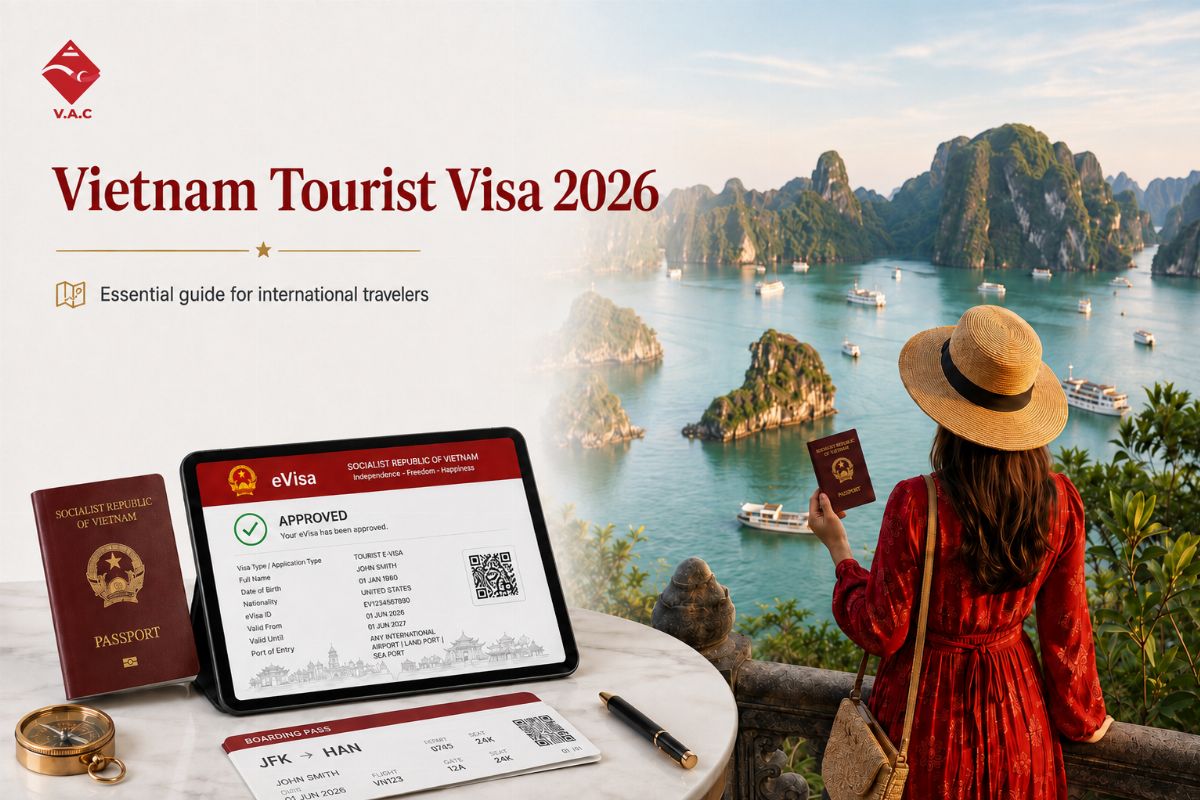
Are you planning a trip to Vietnam for tourism, visiting family, or leisure? Choosing the right Vietnam tourist visa from the very beginning is a crucial step to ensure a smooth journey. The following guide provides practical advice based on Vietnam-immi.org’s experience processing thousands of Vietnam tourist visa applications for travelers from countries around the world.
Types of Vietnam Tourist Visa
1. Visa Exemption
Vietnam allows citizens of certain countries to enter without a visa for short stays with the purpose of tourism or visiting family. For example, many European citizens can stay up to 45 days without a visa under the current visa exemption policy. In this case, you do not need a Vietnam tourist visa, but you must still comply with conditions regarding passport validity and purpose of entry.
Who it is suitable for:
-
Travelers from countries eligible for visa exemption
-
People with short-term tourism or family visits who do not intend to extend their stay in Vietnam
Important points to note:
-
Your passport must be valid for at least 6 months from your intended date of entry
-
Visa exemption is mainly designed for short-term tourism and family visits, not for long-term stays or multiple consecutive entries
-
Extending your stay from within Vietnam can be complicated. Therefore, if you plan to stay longer than the permitted period, you should apply for a Vietnam tourist visa
We often meet travelers who think “we’ll figure it out after arriving in Vietnam” and try to extend their stay from within the country. In reality, this can lead to additional costs, procedures and risks. If you are unsure, it is better to choose the correct Vietnam tourist visa before you fly.
2. E-visa for Tourism
An e-visa for tourism is an electronic visa issued to foreigners coming to Vietnam primarily for sightseeing, leisure and cultural experiences. This is a fully online visa application method, allowing travelers to avoid visiting an Embassy or queuing for a visa at the airport.
Who it is suitable for:
-
Tourists, visitors coming to see family, or short-term leisure travelers
-
People who want to complete the procedure entirely online and receive an electronic Vietnam tourist visa linked to their passport
-
Travelers entering through international airports, land borders and seaports that accept e-visas
Main benefits:
-
Submit your application completely online without sending your passport anywhere
-
Currently available to citizens of all countries and territories under the existing policy
-
Maximum validity of up to 90 days, with single or multiple entries depending on your chosen Vietnam tourist visa option
Most travelers choose the Vietnam tourist visa in the form of an e-visa. Many rejected applications are not due to ineligibility, but rather small technical errors such as: incorrect photo format, mismatched name order, or inconsistent dates. Once you understand the common mistakes, the Vietnam tourist visa process becomes much simpler.
3. Visa on Arrival (VOA)
“Visa on arrival” in Vietnam does not mean you can fly directly to the airport without any preparation. You must obtain an approval letter in advance from a licensed agency, then collect your visa stamp upon arrival at designated international airports.
Who it is suitable for:
-
Travelers whose nationality or itinerary makes the e-visa Vietnam tourist visa less suitable
-
Cases requiring special support, such as urgent processing or specific document requirements
-
Travelers who want more flexibility regarding entry dates and number of entries within the scope of tourism
Important points to note:
-
You must have the approval letter before boarding your flight
-
VOA for tourism is usually available only at certain international airports, not at all land borders
-
You will pay both a service fee (to obtain the approval letter) and a stamping fee at the airport for the Vietnam tourist visa in VOA form
Vietnam-immi often recommends the Vietnam tourist visa in VOA form when the e-visa is not optimal for your nationality or itinerary, or when you need a more flexible solution. Our team will compare the e-visa and VOA options for your Vietnam tourist visa case and suggest the most practical solution.
4. Tourist Visa via Embassy or Consulate
For some travelers, especially those requiring long-term visas, special visa types, or direct submission, applying for a Vietnam tourist visa through a Vietnamese Embassy or Consulate may be necessary.
Who it is suitable for:
-
Travelers who need a Vietnam tourist visa with special validity or conditions that e-visa / VOA cannot meet
-
Cases where nationality or purpose of entry requires direct processing through a Vietnamese Embassy / Consulate
This option is less common for ordinary tourism, but still appropriate in certain situations. If you are unsure, you can contact Vietnam-immi with your passport details and itinerary for a quick assessment of the suitable Vietnam tourist visa.
Common Mistakes That Cause Vietnam Tourist Visa Applications to Be Rejected
In our daily work at Vietnam-immi, we see the same group of errors repeated in many Vietnam tourist visa applications. These mistakes are often minor, but they can lead to rejection, delays and additional costs.
1. Portrait Photo Not Meeting Requirements
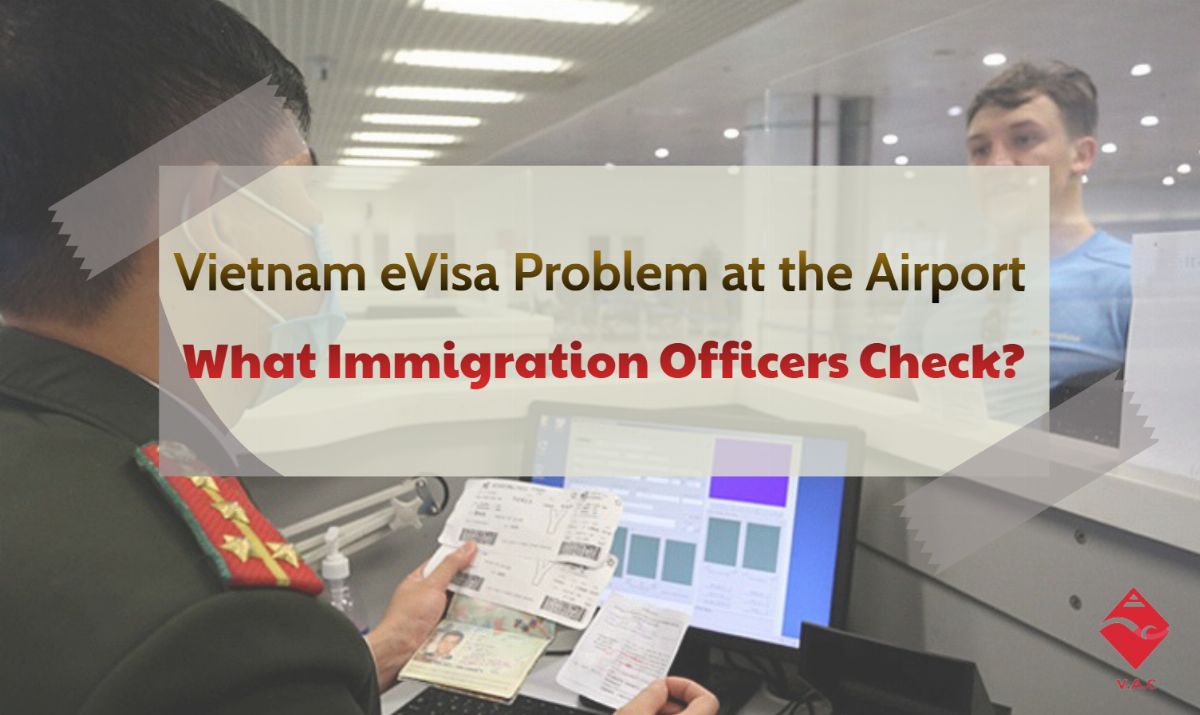
Photos are the most common reason for e-visa Vietnam tourist visa rejections. Many rejected photos look acceptable to applicants before submission, but do not meet the immigration system’s standards.
Common errors:
-
Background not white enough or with visible shadows behind the head
-
Head or face slightly tilted, not looking straight ahead
-
Glasses causing glare, or hair covering part of the face
-
Photos cropped from selfies or casual travel pictures taken by phone
When such photos are submitted, the system may flag them, and by the time you receive a rejection notice, several working days have already been lost for your Vietnam tourist visa application.
When applying for a Vietnam tourist visa through Vietnam-immi.org, we check each photo against real-world rejection criteria before submission. If necessary, we guide you to retake or adjust the photo so it meets the expected standard for your Vietnam tourist visa.
2. Inaccurate or Inconsistent Passport Information
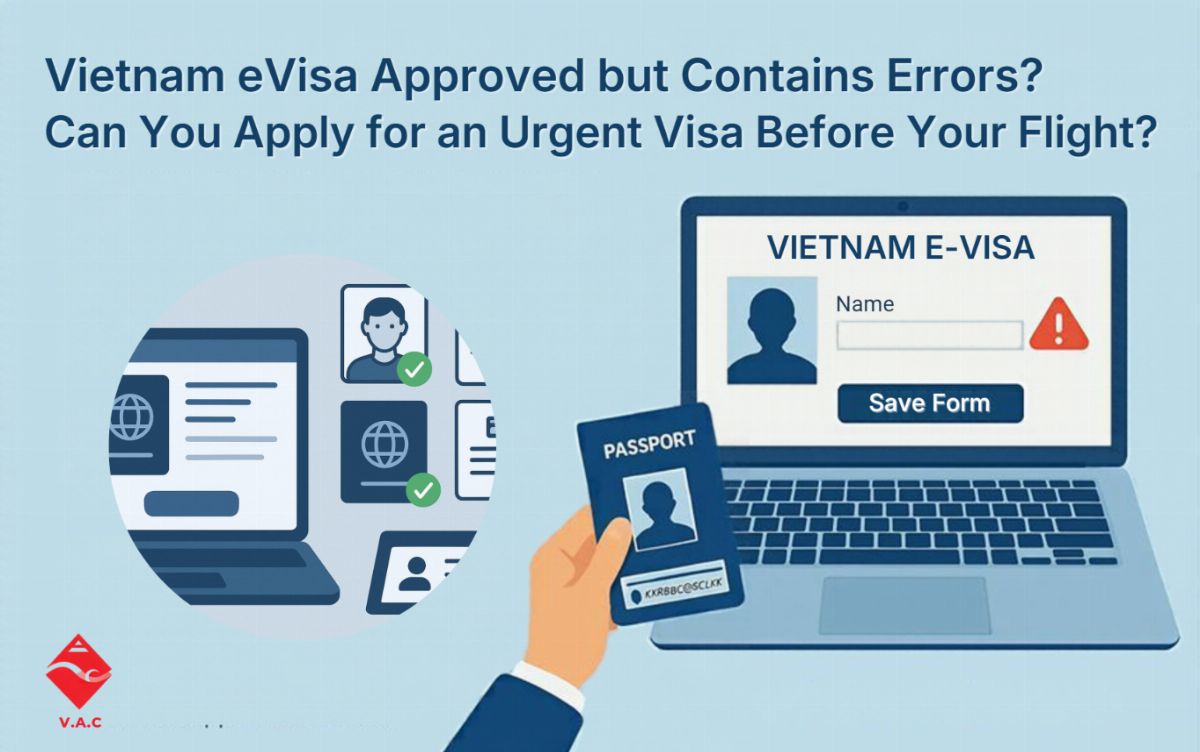
Online forms are very strict. A single wrong character in the passport number, a middle name entered in one field but missing in another, or inconsistent date formats can all lead to Vietnam tourist visa rejection.
Consequences:
-
In many cases, errors cannot be corrected after submission
-
You may have to submit a new application and pay the government fee again for your Vietnam tourist visa
At Vietnam-immi, we cross-check your passport data against the machine-readable zone and standard formats before submission, minimizing small but costly mistakes in your Vietnam tourist visa application.
3. Mismatched Entry Port or Travel Dates
Some travelers declare an airport or land border that does not match their actual flight or travel plan. Others enter an intended date of entry that is far from their booked flight when applying for a Vietnam tourist visa.
Why this matters:
-
Minor changes can sometimes be managed, but large discrepancies may cause issues at the border.
-
Combined with other errors, this can increase the likelihood of additional checks or delays in your journey
4. Passport with Insufficient Validity
Vietnam generally requires your passport to be valid for at least 6 months from your intended date of entry. Nevertheless, we still encounter Vietnam tourist visa applications submitted when the passport has only 4 - 5 months of validity remaining. Even if the Vietnam tourist visa is approved, you may encounter problems during check-in or at the border.
When clients submit their applications, the team at Vietnam-immi checks the passport expiry date against the itinerary and advises if you should renew your passport before submitting your Vietnam tourist visa application.
Processing Time and Fees for Vietnam Tourist Visa
Processing Time
According to regulations, the standard processing time for an e-visa is 3–5 working days, excluding weekends and Vietnamese public holidays. In practice, the exact timeline may vary depending on:
-
Your nationality and specific case
-
Peak travel seasons and holidays (around Lunar New Year in late January or February, and other national holidays)
-
The completeness and accuracy of your Vietnam tourist visa application
At Vietnam-immi, we offer multiple processing time options for Vietnam tourist visa, from standard to urgent. To view updated processing times by nationality and service package, please refer to our [Pricing & Processing Time] page.
Fees
If you submit your Vietnam tourist visa application through an intermediary agency, you will need to pay two main fees:
-
Government fee: Paid to the Immigration Department for e-visa applications. This fee is non-refundable in all cases after submission, even if your Vietnam tourist visa is rejected
-
Service fee: Collected by the intermediary agency to prepare, check and manage your Vietnam tourist visa application, including support when your itinerary changes
Because fees vary by nationality, processing time and type of Vietnam tourist visa, we do not list fixed amounts in this article. You can view updated fees for your specific case on our [Pricing] page before deciding to submit your Vietnam tourist visa application.
Frequently Asked Questions
1. Should I apply for a Vietnam tourist visa myself or through a service?
You can absolutely apply directly through the government portal if your Vietnam tourist visa application is straightforward and you are comfortable with online forms. However, if your schedule is tight, your itinerary is complex, or you are unsure about photo and document requirements, using a Vietnam tourist visa service can reduce the risk of rejection and save time. Our role is to help ensure your application is submitted correctly the first time and provide support if any changes arise.
2. What happens if my Vietnam tourist visa application is rejected?
The government fee for a Vietnam tourist e-visa is non-refundable in all circumstances, including application rejection. This is a regulation of the Vietnam Immigration Department and applies whether you apply directly or through a service provider. The service fee will be handled according to Vietnam-immi's refund policy. More importantly, we focus on preventing rejections by carefully reviewing your application before submission.
3. Does Vietnam-immi handle urgent cases?
Yes. We offer expedited processing packages for travelers with urgent schedules. While we cannot guarantee a specific approval date because the final decision rests with the Vietnam Immigration Department, urgent applications are prioritized and we respond promptly whenever additional information is required.
4. Is Vietnam-immi a government agency?
No. Vietnam-immi is a private service provider and is not affiliated with the Government of Vietnam or the Vietnam Immigration Department. You may always apply directly through the official e-visa portal if you prefer. Our role is to simplify the application process, reduce errors, and provide additional support, particularly for travelers with tight schedules or more complex cases.
5. How do tourist visas and business visas differ?
Tourist Visa
For travelers visiting Vietnam for tourism, visiting family or leisure activities, without working, signing contracts, or receiving salary from a Vietnamese organization.
Business Visa
For travelers entering Vietnam for business meetings, work, signing contracts, market research, or participating in business projects.
Choosing the right Vietnam tourist visa and submitting a correct application from the start will help you save time, money and avoid unnecessary trouble. This article has summarized the main types of Vietnam tourist visa in 2026, the common reasons for Vietnam tourist visa rejections, as well as fees and processing times for Vietnam tourist visa applications, aiming to reduce risks and improve your experience.
If you need more detailed advice regarding the Vietnam tourist visa, please contact us now for the earliest possible response.