English
 简体中文
 VIETNAM-IMMI.ORG


Last Updated: Friday, September 11, 2026
Traveling from China to Vietnam by land can be a practical option, especially if your itinerary already takes you through southern China. Instead of flying directly to Hanoi or another Vietnamese city, you can cross the border and continue your journey by road or train.
The part that often causes confusion is choosing the right Vietnam–China border crossing. There is no single “best” border for everyone. The right choice depends mainly on where you are coming from in China, where you want to go in Vietnam, and whether your Vietnam visa matches the border checkpoint you plan to use.
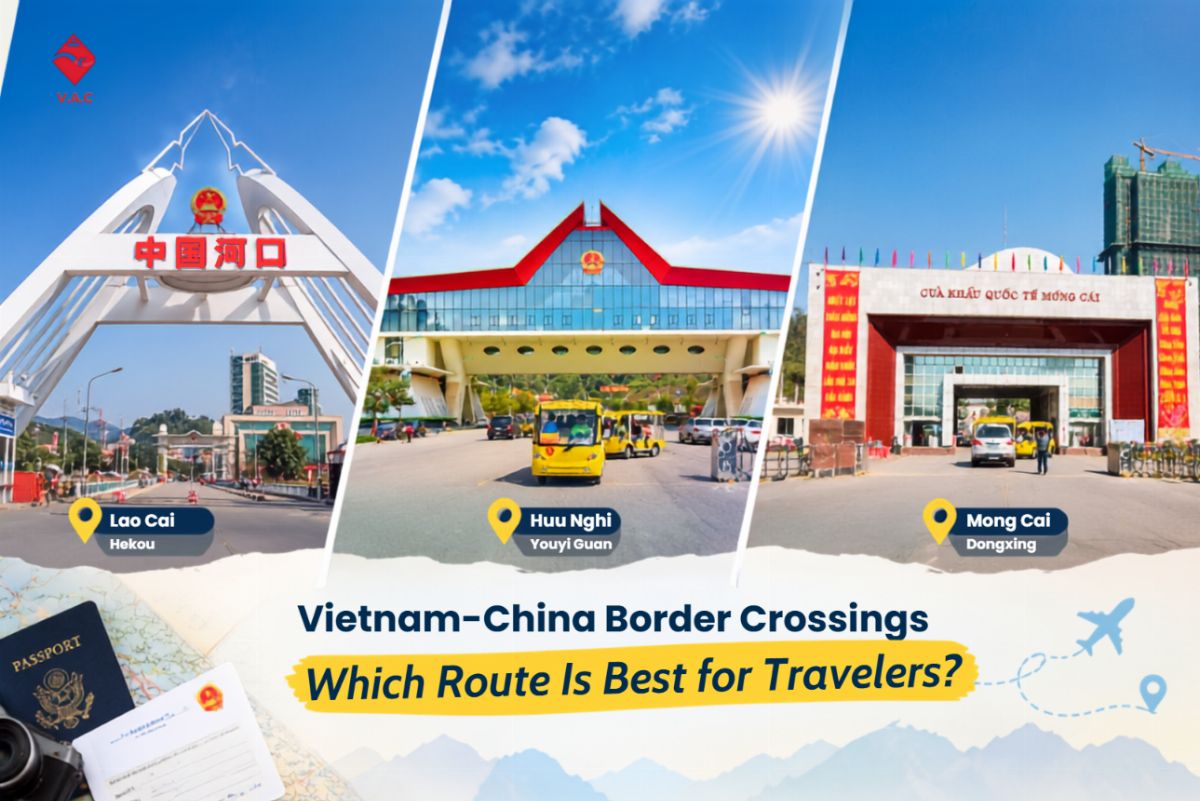
For most international travelers, Lao Cai, Huu Nghi and Mong Cai are the three border crossings worth looking at first. Each one connects to a different part of northern Vietnam, so choosing the right one can save you unnecessary travel after crossing the border.
Lao Cai Border Crossing: Best for Sapa and Northwest Vietnam
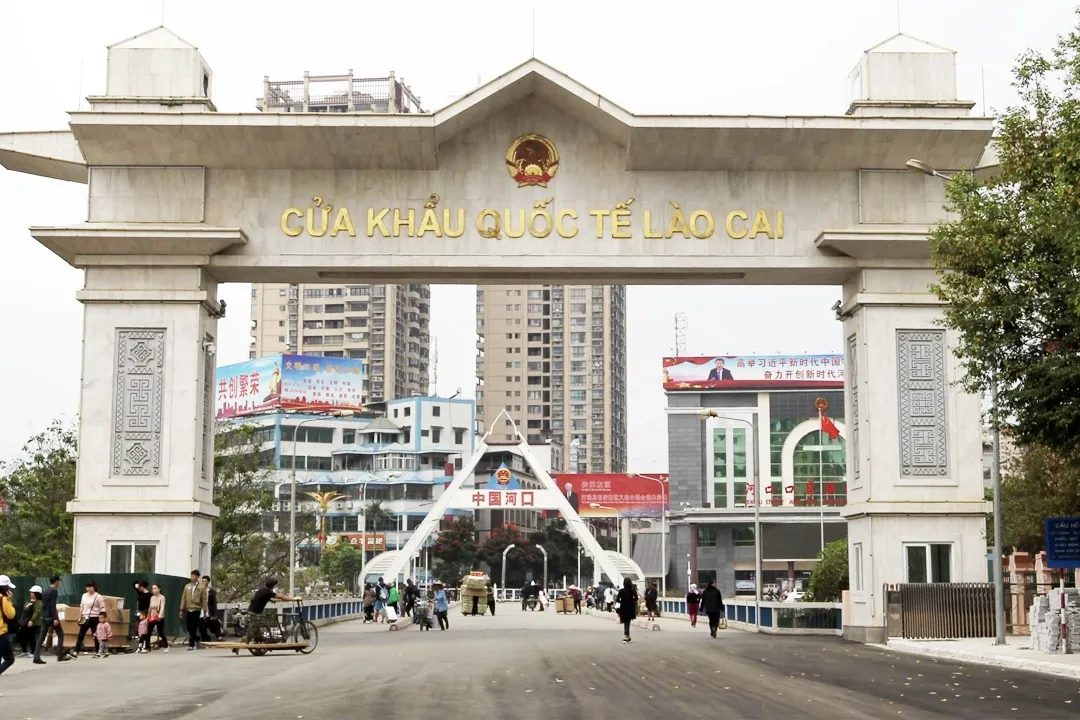
Source: Internet
Why choose Lao Cai?
If Sapa is one of the main destinations on your Vietnam itinerary, Lao Cai is usually the most logical border crossing to consider.
The Lao Cai–Hekou border connects Vietnam's Lao Cai province with Yunnan Province in China. After crossing into Vietnam, travelers can continue toward Sapa and other destinations in the northwest.

Source: Internet
This route makes particular sense for travelers coming from Kunming or other parts of Yunnan. Instead of traveling much farther east or south before entering Vietnam, you can cross at Lao Cai and continue directly into northern Vietnam.
If I were planning a China-to-Vietnam trip that included Sapa, I would choose Lao Cai first. There is little reason to use a different border and then travel back toward the northwest unless the rest of the itinerary requires it.
Lao Cai can also work well if you plan to continue from the northwest toward Hanoi after visiting Sapa.
Huu Nghi Border Crossing: A Practical Choice for Hanoi
When is Huu Nghi a better option?
Huu Nghi Border Gate is located in Lang Son Province and connects with the Youyi Guan border area on the Chinese side.

Source: Internet
For travelers whose main destination in Vietnam is Hanoi, this can be a practical route to consider. The Huu Nghi corridor is an established connection between Guangxi in China and northern Vietnam, making it particularly relevant for travelers moving between Nanning and Hanoi.

Source: Internet
The route also fits naturally into an itinerary such as:
China → Huu Nghi → Hanoi → Ninh Binh → Ha Long Bay
Unlike Lao Cai, which makes more sense when Sapa or the northwest is the priority, Huu Nghi is better suited to travelers who want to reach Hanoi and then continue to other destinations in northern Vietnam.
The Vietnamese government has also identified the Nanning–Youyi Guan–Huu Nghi–Hanoi corridor as an important cross-border transport route.
So, if Hanoi is your first major stop after leaving China, Huu Nghi is one of the first options I would check.
Mong Cai Border Crossing: Best for Ha Long Bay and Coastal Vietnam
Why consider Mong Cai?
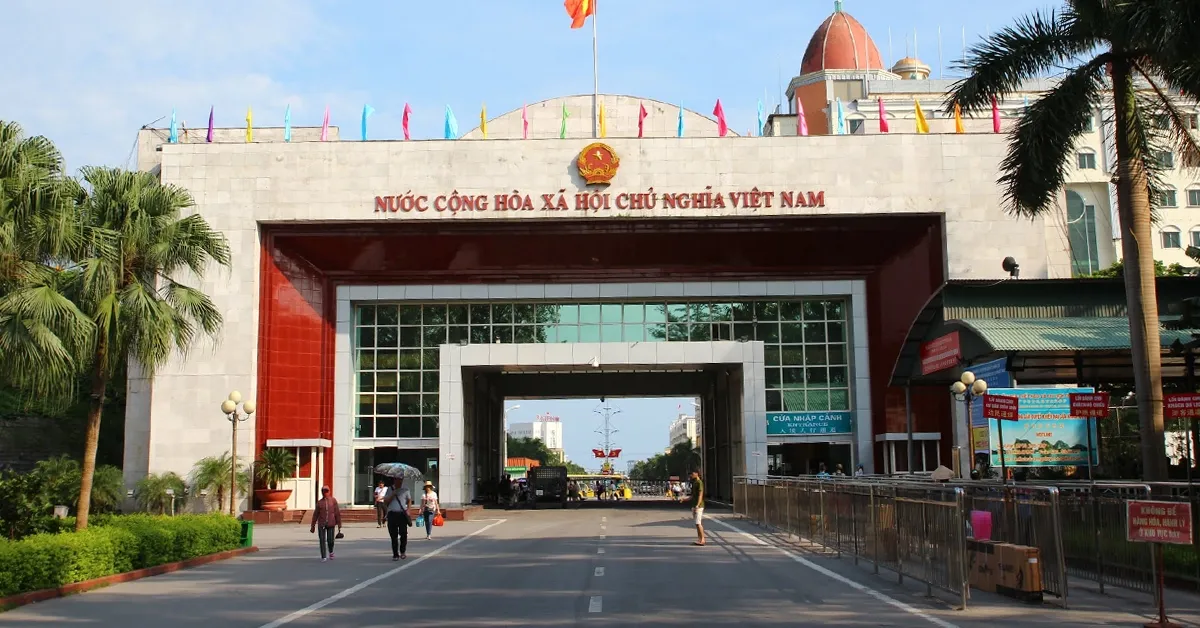
Source: Internet
Mong Cai Border Gate is in Quang Ninh Province in northeastern Vietnam and connects with Dongxing in China.
This crossing is particularly useful if your Vietnam itinerary starts around Ha Long Bay, Cat Ba or northeastern coastal Vietnam.

Source: Internet
For example, a traveler coming from Guangxi could plan a route such as:
China → Dongxing → Mong Cai → Ha Long Bay → Hanoi
That can make more sense than entering through Lao Cai or Huu Nghi and then traveling east toward the coast.
Mong Cai is therefore less about reaching Hanoi as quickly as possible and more about choosing a border that fits a coastal itinerary.
If Ha Long Bay is one of the first places you want to visit in Vietnam, I would seriously consider Mong Cai rather than automatically choosing the most familiar China–Vietnam border crossing.
Which Vietnam–China Border Crossing Is Best?
There is no universal answer. The easiest way to decide is to start with your first destination in Vietnam, rather than starting with the border itself.
|
Border crossing |
Best suited for |
Example route |
|
Lao Cai |
Sapa and Northwest Vietnam |
China → Lao Cai → Sapa → Hanoi |
|
Huu Nghi |
Hanoi and Northern Vietnam |
China → Huu Nghi → Hanoi → Ninh Binh |
|
Mong Cai |
Ha Long Bay and coastal areas |
China → Mong Cai → Ha Long → Hanoi |
This is also why I would not choose a border simply because someone says it is “the best.” A border that is convenient for one itinerary can be inconvenient for another.
The Vietnamese e-visa system currently lists Lao Cai Landport, Huu Nghi Landport and Mong Cai Landport among the designated entry and exit points for e-visa holders.
Do You Need a Vietnam Visa to Enter From China?
Check your nationality before planning the crossing
Whether you need a Vietnam visa depends on your nationality and the conditions that apply to your passport.
If you need a visa, do not wait until you arrive at the China–Vietnam border to sort it out. Your visa should already be arranged before you travel to the border.
Vietnam currently offers e-visas with a validity of up to 90 days, for either single or multiple entry, subject to the visa granted. The official Immigration Department also confirms that foreigners outside Vietnam can apply for an e-visa directly or through an authorized requesting agency or organization.
Vietnam eVisa for travelers entering from China by land
This is one of the most important points when planning a Vietnam border crossing from China.
When applying for Vietnam e-visa, travelers need to select an intended entry checkpoint. The checkpoint shown on your visa should match the route you actually plan to use.
For example, if your plan is:
China → Hekou → Lao Cai → Sapa
then you should make sure your Vietnam e-visa is prepared for the appropriate Lao Cai entry point.
The same principle applies if you plan to enter through Huu Nghi or Mong Cai.
Vietnam's official e-visa port information currently lists all three as landports:
-
Lao Cai Landport – KLC
-
Mong Cai Landport – KMC
-
Huu Nghi Landport – KHN
Vietnam has also expanded the list of border gates permitted for e-visa entry and exit in recent years, so travelers should check the current official list rather than rely on an old blog post or forum discussion.
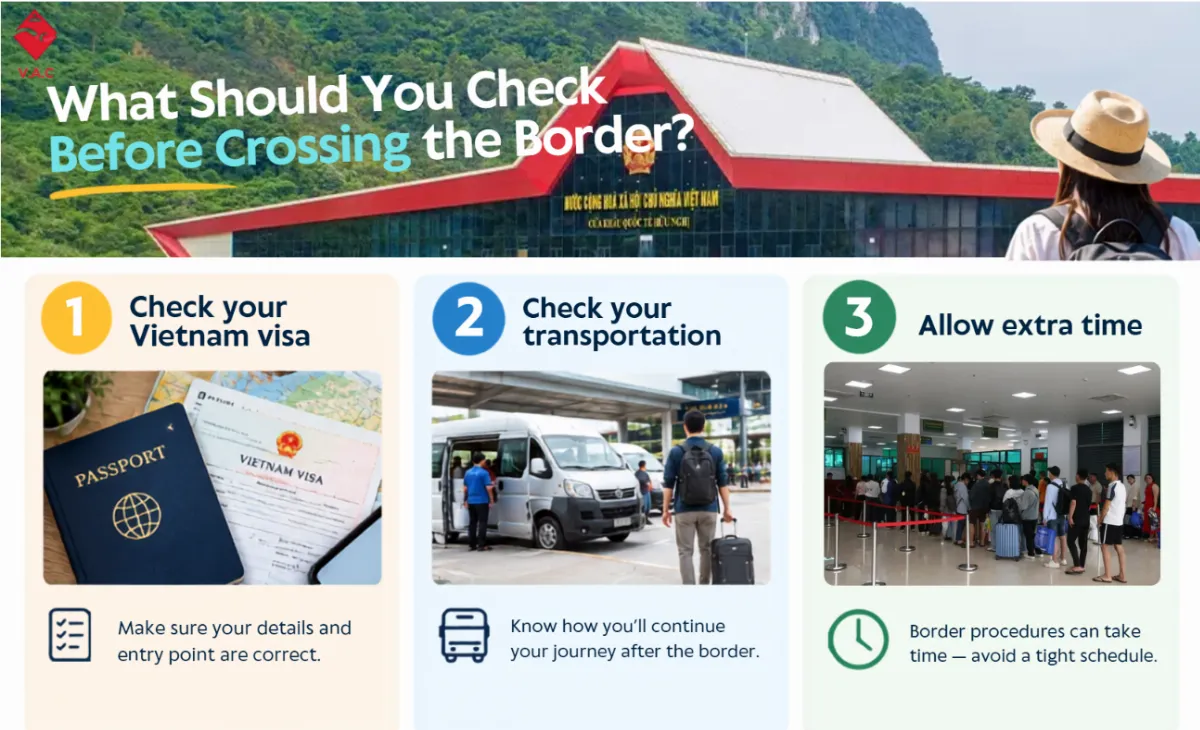
What Should You Check Before Crossing the Border?
Choosing the border is only one part of the preparation. Before leaving China, I would check the following details carefully.
1. Check your Vietnam visa
Make sure your:
-
Full name is correct
-
Passport number is correct
-
Date of birth is correct
-
Visa validity covers your planned entry date
-
Entry type is correct
-
Intended entry checkpoint matches your route
A small mistake on a visa can become a much bigger problem when you are already on the way to the border.
2. Check your transportation on both sides
Crossing the border does not mean your transportation arrangements automatically continue from China into Vietnam.
If you are taking a bus, private car or train connection, check where you will meet your next driver or how you will continue your journey after completing immigration procedures.
This is especially important if you have a fixed hotel check-in time or a connecting train later in the day.
3. Leave some flexibility in your schedule
I would avoid planning a very tight connection immediately after crossing the border.
Border procedures can take different amounts of time depending on passenger volume, immigration procedures and your transportation arrangements. Leaving some extra time makes the journey much less stressful.
If I Were Planning the Route, Which Border Would I Choose?
I would make the decision based on the first few days of the Vietnam itinerary.
If Sapa was my priority, I would choose Lao Cai because the border naturally fits a northwest Vietnam route.
If I wanted to go directly toward Hanoi, I would look at Huu Nghi, especially when traveling through the Nanning area.
If my first major destination was Ha Long Bay or northeastern coastal Vietnam, I would consider Mong Cai.
In other words, I would not ask, “Which China–Vietnam border is the best?”
I would ask, “Where do I want to go after I cross into Vietnam?”
That simple change in the way you plan the trip usually makes the decision much easier.
Key Takeaways
-
Lao Cai is a practical choice for Sapa and Northwest Vietnam.
-
Huu Nghi is well suited to travelers heading toward Hanoi from Guangxi.
-
Mong Cai makes sense for Ha Long Bay and northeastern coastal Vietnam.
-
Check whether your nationality requires a Vietnam visa before traveling.
-
If you need an e-visa, make sure the intended entry checkpoint matches your actual route.
-
Check the current official e-visa border list before traveling, as Vietnam has added new eligible checkpoints over time.
-
Leave enough time for border and immigration procedures instead of planning a very tight connection.
Frequently Asked Questions (FAQ)
Can I enter Vietnam from China by land?
Yes. Foreign travelers can enter Vietnam through designated international land border gates, provided they meet the applicable entry and visa requirements.
Can I use a Vietnam e-visa at the China–Vietnam land border?
Yes, provided the border gate is one of the designated e-visa entry points and your visa information is correct. Lao Cai, Huu Nghi and Mong Cai are currently listed among Vietnam's e-visa landports.
Which China–Vietnam border crossing is best for Sapa?
Lao Cai is generally the most logical option because it provides the direct land connection into Lao Cai Province, from where travelers can continue to Sapa.
Which border crossing should I use to go to Hanoi?
Huu Nghi is a practical option for travelers coming from the Nanning/Guangxi side of China and heading toward Hanoi. However, the best choice still depends on your complete itinerary.
Final Thoughts
Traveling from China to Vietnam by land is not complicated if you plan the route in the right order.
The mistake I see most often is choosing a border first and only checking the visa afterward. I would do the opposite: decide where you want to go in Vietnam, choose the border that fits that route, and then make sure your visa and transportation arrangements match.
For a trip focused on Sapa, Lao Cai is the natural choice. For Hanoi, look at Huu Nghi. For Ha Long Bay and northeastern Vietnam, Mong Cai can be more convenient.
The best Vietnam–China border crossing is therefore not necessarily the busiest or most famous one. It is simply the one that makes the rest of your journey easier.
Whether you need a fast visa, airport fast track, private car, or eSIM, Vietnam-Immi.org is here 24/7 to support your trip.
-
Website: https://vietnam-immi.org
-
App IOS Download: Download on App Store
-
App Android: Download on Google Play
-
WhatsApp: +84379522522
-
Hotline: +84.379.522.522
-
Email: sales@vietnam-immi.org