English
 简体中文
 VIETNAM-IMMI.ORG


Last Updated: November 10, 2026
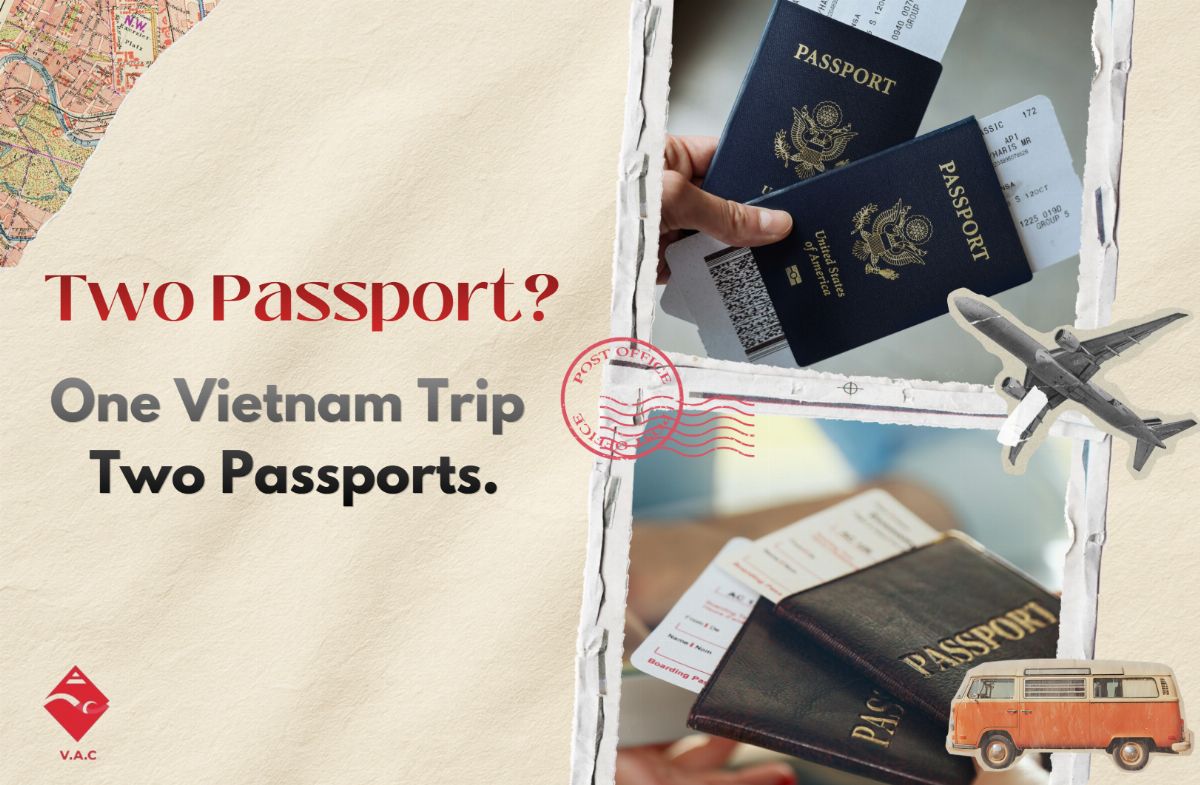
Holding two passports can make international travel more flexible, but it can also create confusion when applying for a visa. If you have questions about Vietnam eVisa dual citizenship, the most important step is to choose the passport you intend to use for entering and leaving Vietnam. Your visa application, passport details, and travel documents should all be consistent to avoid unnecessary problems at the airport.
Key Takeaways
- Choose the passport you intend to use for your Vietnam entry and exit before applying for an eVisa.
- If one passport qualifies for visa-free entry, check whether its conditions meet your travel plans before applying.
- Vietnam's official eVisa application form asks about multiple nationalities and other passports.
- If you enter Vietnam using one passport, you should also use that passport when leaving.
- Vietnamese citizens holding another nationality should review the specific guidance for entering Vietnam as Vietnamese citizens.
Can You Apply for a Vietnam eVisa If You Have Two Passports?
Yes. Having two nationalities does not automatically prevent a foreign traveler from applying for a Vietnam eVisa.
However, you should not treat your two passports as interchangeable during one Vietnam trip.
The official Vietnam eVisa application form includes questions such as:
-
Have you ever used any other passports to enter Vietnam?
-
Do you have multiple nationalities?
-
Do you hold any other valid passports?
This means applicants with Vietnam eVisa dual nationality should provide accurate information about their citizenship and passport history when completing the form.
Do not omit another nationality or previously used passport when the application asks for those details.
Which Passport Should You Use for Your Vietnam eVisa?
The right choice depends on your nationalities, visa eligibility, and travel plans.
In general, choose the passport you intend to present to Vietnamese immigration when entering the country.
Scenario 1: Both Passports Require a Vietnam Visa
For example, you hold passports from two countries, and neither nationality qualifies for visa-free entry for your intended visit.
In this situation:
-
Choose the passport you plan to use for your Vietnam trip.
-
Apply for the eVisa using that passport's information.
-
Check that your approved eVisa details match the selected passport.
-
Present that same passport when entering and leaving Vietnam.
Your eVisa is issued based on the passport information in your application. Do not assume it can be transferred to your second passport.
Scenario 2: One Passport Allows Visa-Free Entry
Suppose you hold two foreign passports, but only one qualifies for visa-free entry to Vietnam.
You may be able to use the visa-exempt passport instead of applying for an eVisa, provided you meet all applicable conditions.
Before deciding, check:
-
Whether your nationality currently qualifies for visa exemption.
-
How long you are permitted to stay.
-
Whether your visit purpose meets the exemption conditions.
-
Passport validity and any additional entry requirements.
If the permitted visa-free stay is shorter than your planned visit, you may need to consider another suitable visa option.
Scenario 3: You Hold Both Vietnamese and Foreign Passports
This situation requires particular attention.
If you are a Vietnamese citizen who also holds another nationality, official guidance from Vietnamese immigration authorities recommends using your valid Vietnamese passport when entering Vietnam.
If you enter using your Vietnamese passport, you do not need a Vietnam visa for that entry as a Vietnamese citizen.
If you instead enter using your foreign passport, you must meet the applicable requirements for foreign travelers, including holding a visa unless you qualify for an exemption.
Whichever passport you use, do not switch to the other passport for your departure from Vietnam.
For individual cases involving Vietnamese and foreign citizenship, check with the relevant Vietnamese immigration authority or embassy before traveling.
Why You Should Enter and Exit Vietnam With the Same Passport
This is one of the most important rules for travelers holding multiple passports.
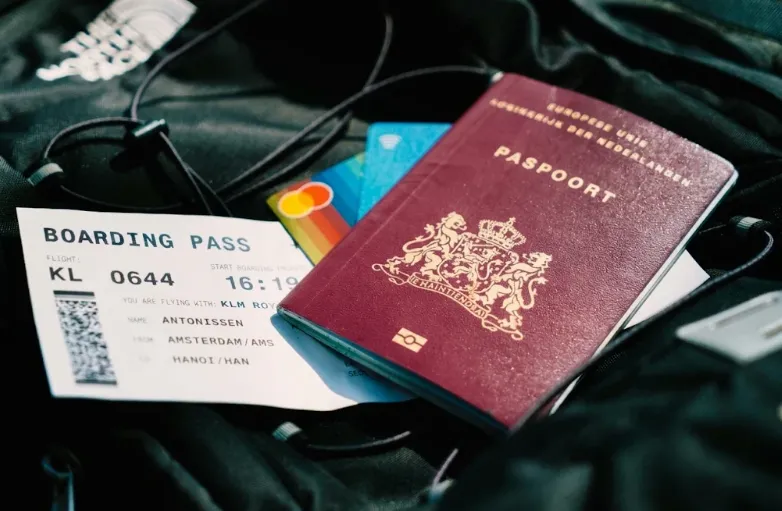
Vietnam requires travelers to maintain consistency between the passport used for entry and the passport used for exit.
For example:
|
Your situation |
What you should do |
|---|---|
|
You entered using Passport A with an eVisa |
Use Passport A when leaving Vietnam |
|
You entered using a visa-exempt Passport B |
Use Passport B when leaving Vietnam |
|
Your eVisa was issued using Passport A, but you want to enter with Passport B |
Do not assume the eVisa is valid for Passport B |
|
You hold Vietnamese and foreign passports |
Check the applicable rules and use the same passport for entry and exit |
Using different passports for entry and exit can cause immigration complications.
It can also affect domestic flight check-in procedures. Vietnamese police guidance issued in 2026 states that dual-nationality passengers should use the passport used for entry when checking in and completing security procedures for domestic flights.
Source: Internet
What Should You Check Before Submitting Your Vietnam eVisa Application?
If you are applying with two passports, take a few minutes to review these details.
1. Select your intended travel passport
Decide which passport you will use for Vietnam entry and exit before completing your application.
2. Declare your other nationality and passports
Answer the questions about multiple nationalities, other valid passports, and previously used passports truthfully.
3. Check the passport details carefully
Your name, passport number, nationality, date of birth, and other requested information should be entered accurately.
4. Review visa eligibility
Check whether your selected passport requires an eVisa or qualifies for visa-free entry under current rules.
5. Keep both passports available when necessary
You may need your second passport for airline procedures or entry into another destination. However, keep your Vietnam immigration documents consistent with the passport selected for Vietnam.
Already Applied With the Wrong Passport?
If you have submitted your Vietnam eVisa application using one passport but now intend to travel with another, do not assume that presenting your second passport will be accepted.
First, compare the passport number and personal information on your approved eVisa with the passport you plan to carry.
If the details do not match, review your options before departure. Depending on your application status and circumstances, you may need further guidance or a new application.
Vietnam-Immi.org can help review your passport details and application information before you travel.
Request a Vietnam eVisa Application Review
Frequently Asked Questions (FAQ)
Can I use two passports to enter and exit Vietnam?
You should use the same passport for both entry and exit. Using different passports for the same Vietnam trip can cause immigration and travel complications.
Can I apply for a Vietnam eVisa with one passport and enter with another?
You should not do this. Your eVisa is linked to the passport details in your application. The passport presented at immigration should match the approved visa.
Does having two nationalities affect my Vietnam eVisa application?
Not automatically. However, you must provide accurate information when the official application asks about multiple nationalities and other passports.
If I have a Vietnamese passport and a foreign passport, do I need a Vietnam eVisa?
If you are a Vietnamese citizen with a valid Vietnamese passport, you generally do not need a Vietnam visa to enter as a Vietnamese citizen. Check your individual circumstances with the relevant authorities if you have questions about which passport to use.
Can I use my second passport for domestic flights in Vietnam?
Vietnamese police guidance states that passengers should use the same passport used to enter Vietnam for domestic flight check-in and security procedures. Keep that passport available throughout your trip.
Disclaimer
Vietnam-Immi.org is a private visa-support provider and is not affiliated with the Government of Vietnam or the Vietnam Immigration Department. Visa eligibility, immigration requirements, and final entry decisions are determined by the relevant Vietnamese authorities. Our assistance does not guarantee visa approval or entry into Vietnam.
Whether you need a fast visa, airport fast track, private car, or eSIM, Vietnam-Immi.org is here 24/7 to support your trip.
-
Website: https://vietnam-immi.org
-
WhatsApp: +84379522522
-
Hotline: +84.379.522.522
-
Email: sales@vietnam-immi.org