English
 简体中文
 VIETNAM-IMMI.ORG


Last Updated: Wednesday, September 30, 2026
The Hidden Catch of Self-Transfer Flights
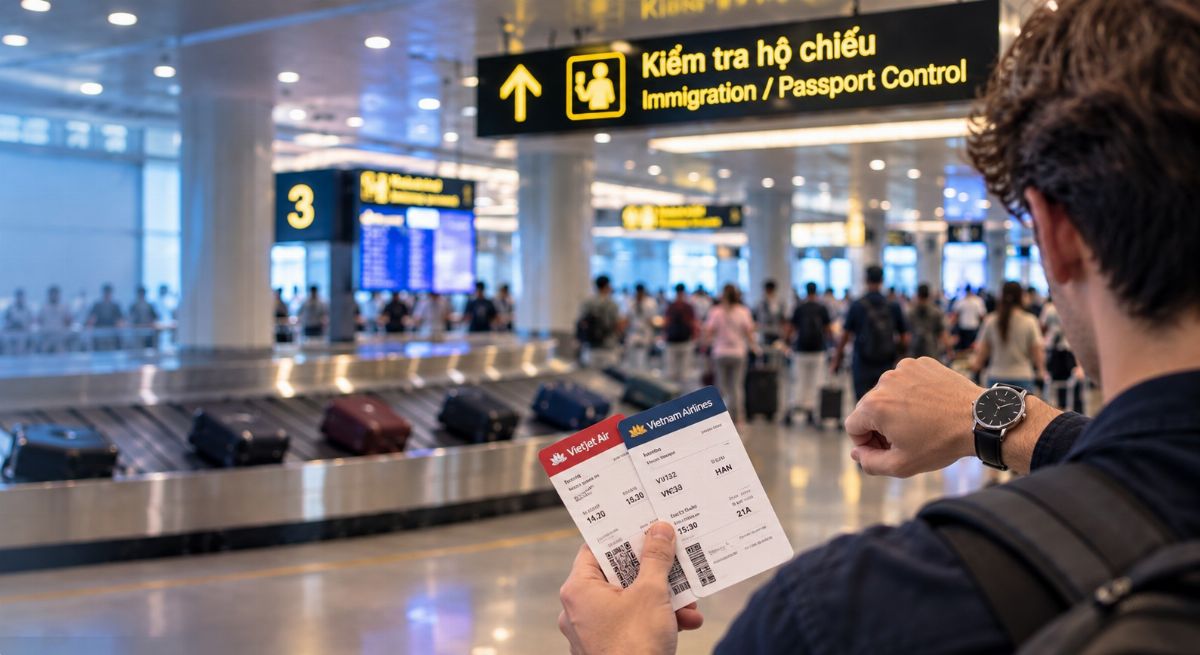
In the modern era of travel, finding the cheapest airfare often involves booking "self-transfer" or "hacker-fare" flights. This means you purchase two separate tickets from two different, unaffiliated airlines to reach your final destination. For example, you might fly from Sydney to Ho Chi Minh City on Vietnam Airlines (Ticket 1), and then book a separate flight from Ho Chi Minh City to Bangkok on VietJet Air (Ticket 2).
While this strategy can save you hundreds of dollars, it comes with a massive administrative catch. Because the airlines do not share a baggage agreement, your luggage will not be automatically forwarded to your final destination. You must collect it yourself. This simple requirement drastically changes your legal status at the airport.
The Million-Dollar Question: Do I Need a Visa for Layover in Vietnam?
If you are on a self-transfer flight with checked luggage, the answer is a definitive YES.
Many travelers mistakenly believe that as long as they have an onward ticket, they can simply stay in the international transit zone. However, the baggage claim carousels are located after the passport control checkpoints. To collect your suitcases, you are legally required to leave transit area Vietnam airport, enter the country formally, retrieve your bags, go through customs, and then head upstairs to the departure hall to check in for your next flight. You cannot do this without a valid visa.
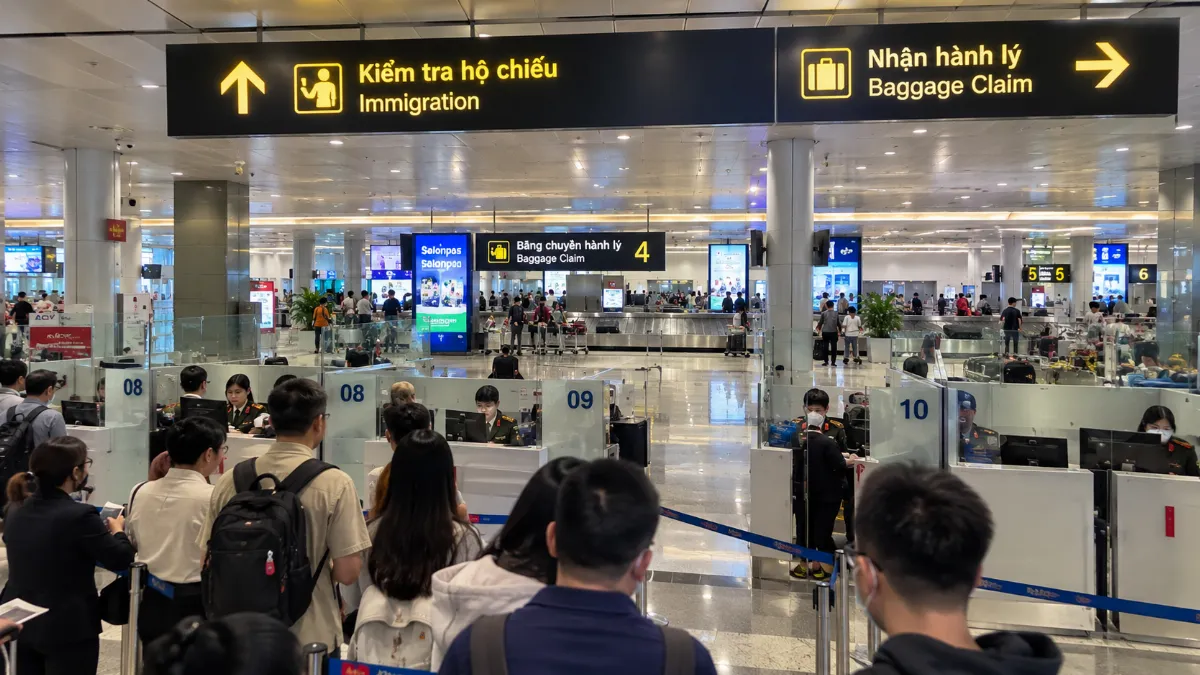
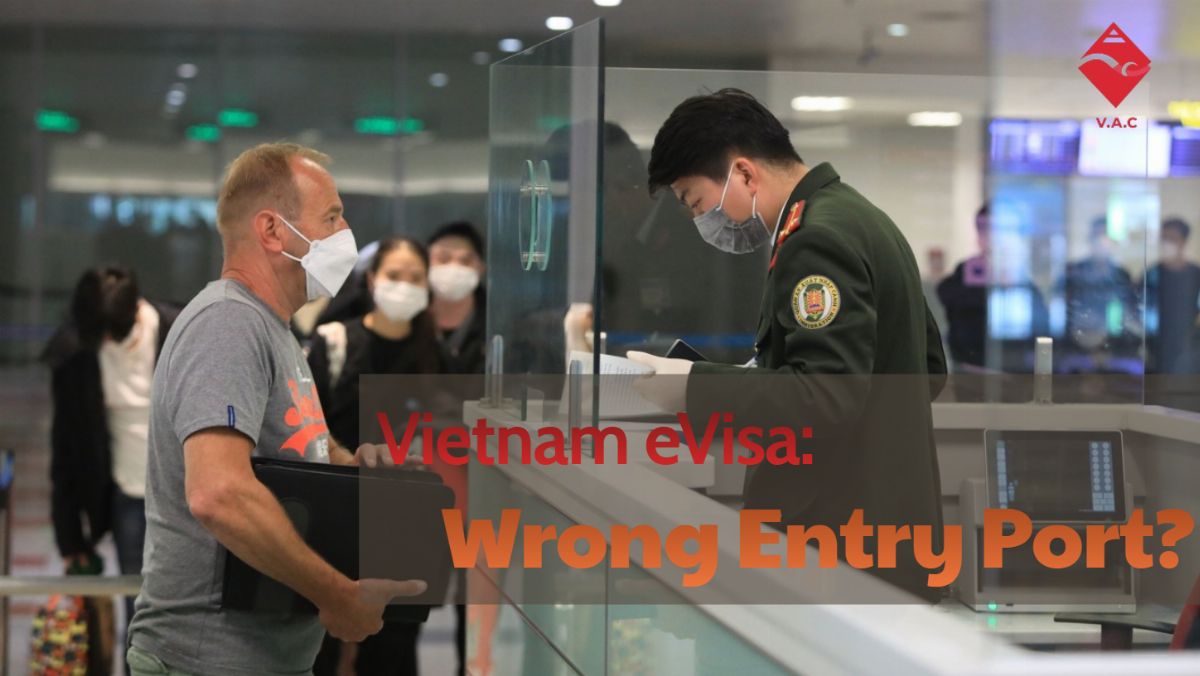
To collect your checked baggage, you must clear passport control and officially leave the airport's transit area.
The Myth of the Transit Visa Vietnam SGN
When travelers realize they must cross the border, their first instinct is to search for a temporary transit pass.
Why a Transit Visa Doesn't Work Here
It is important to clarify the confusion surrounding a transit visa Vietnam SGN (Tan Son Nhat Airport) or HAN (Noi Bai Airport). Vietnam does not issue short-term, specialized transit visas for travelers who need to self-transfer and collect luggage.
If you step out of the transit zone to claim your bags, the Vietnamese government considers you a standard visitor entering the country, regardless of whether you plan to stay for two weeks or just two hours. Therefore, you must apply for a standard 30-day tourist eVisa before you board your first flight.
How to Apply for a Vietnam eVisa for Layover
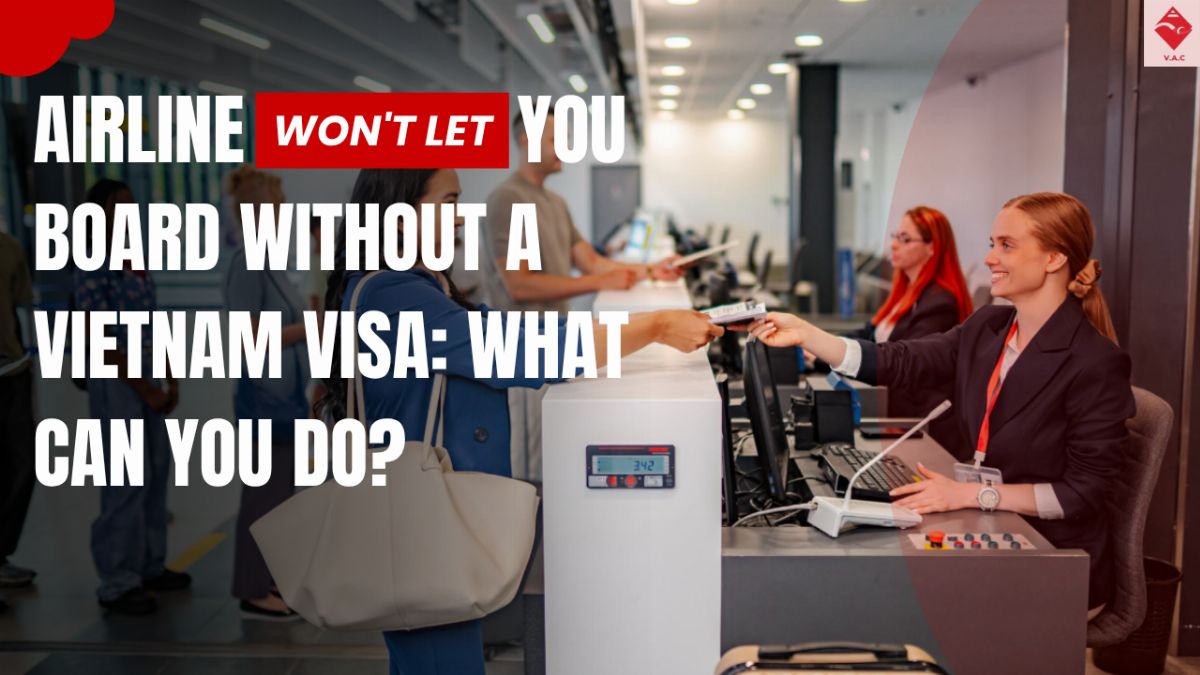
Attempting to explain to an airline gate agent or immigration officer that you "only need to grab your bags" will not work; without a visa, your first airline might even deny you boarding at your origin country.
Securing Your Documents Online
To ensure a smooth transition, you must apply for a Vietnam eVisa for layover well in advance. The official process requires a digital passport scan, a square passport-style photo, and a processing time of approximately 4 to 5 business days. Because a single typo on the application can lead to rejection and a ruined self-transfer itinerary, utilizing a professional visa service is highly recommended. Our expert team at VAC ensures your eVisa is processed flawlessly and delivered on time, so you have the required documents ready to present upon landing.
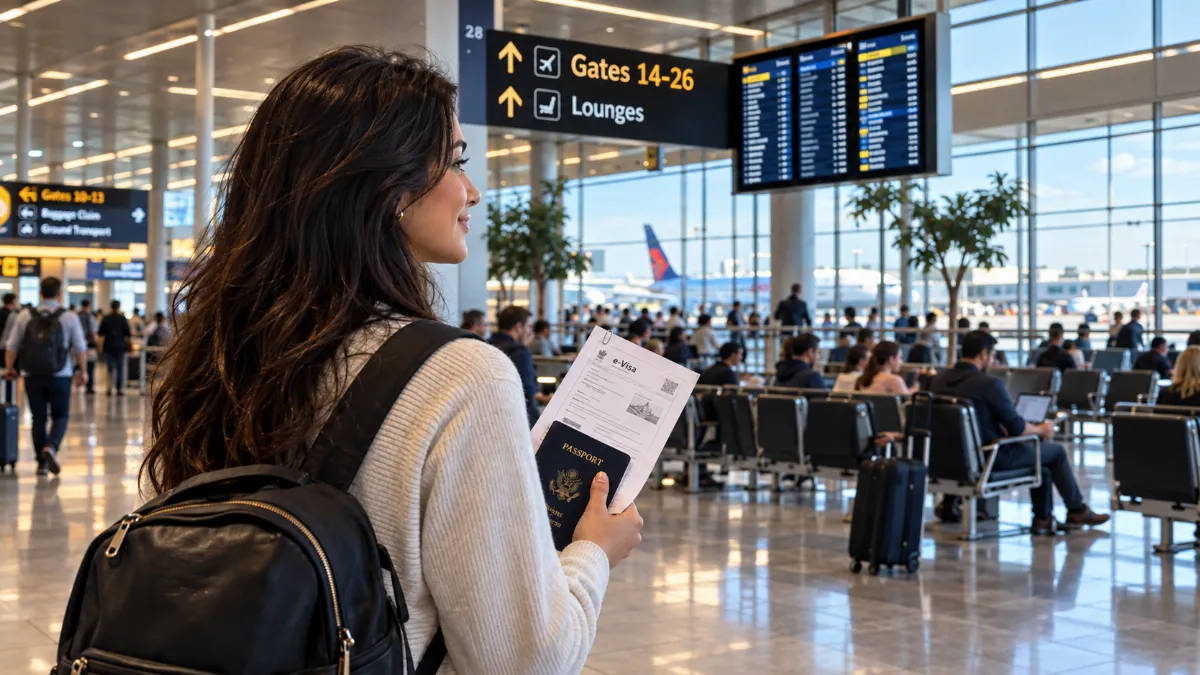
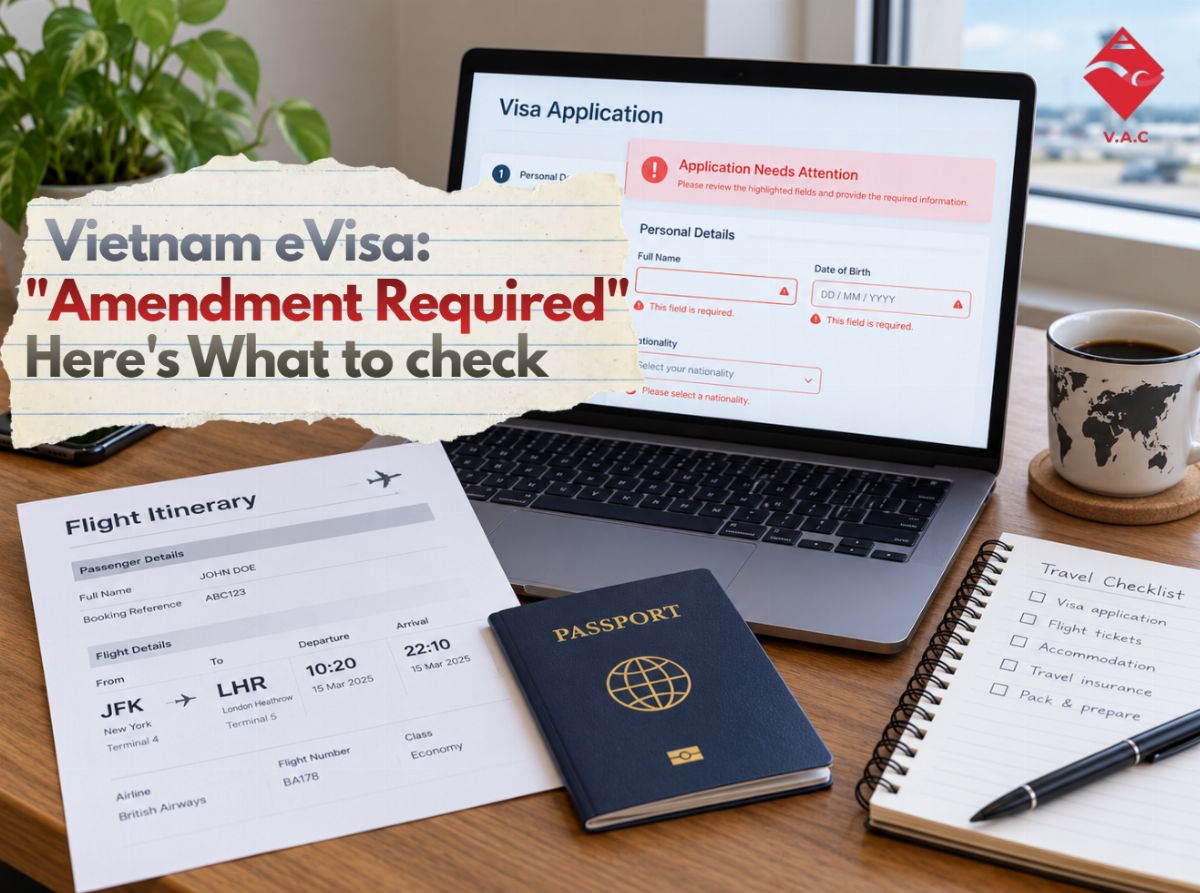
Securing a Vietnam eVisa online before your departure is mandatory for all self-transfer passengers with luggage.
The Logistics: Recheck Baggage Ho Chi Minh Airport
Once you have your eVisa sorted, you need to prepare for the physical reality of a self-transfer layover. Navigating this process requires time and patience.
The Step-by-Step Self-Transfer Process
-
Immigration: Upon landing, join the standard passport control queue to formally enter Vietnam using your eVisa. During peak hours, this line can take anywhere from 45 minutes to over an hour.
-
Baggage Claim: Proceed to the carousel to collect your checked suitcases.
-
Customs & Exit: Pass through the customs screening and walk out into the public arrival hall.
-
Terminal Transfer (If Applicable): To recheck baggage Ho Chi Minh airport (or Hanoi), you must take the elevator or walk to the Departure Hall. If your onward flight is domestic, you will need to walk to the entirely separate Domestic Terminal building.
-
Check-In: Wait in line at your second airline's counter to drop off your bags and receive your new boarding pass.
-
Security & Exit Control: Pass through security and passport exit control to get back to your new departure gate.
Why You Need VIP Fast Track for Tight Connections
As you can see, a self-transfer is a lengthy, multi-step ordeal. If your layover is less than four hours, relying on standard immigration queues is a massive risk. A single delay could cause you to miss your second flight, and because the tickets are separate, the airline will not refund you.
Booking a VIP Fast Track service is the ultimate insurance policy. A professional greeter will meet you at the arrival gate, bypass the long immigration lines, and help you get to the baggage carousel in minutes, giving you plenty of time to recheck your bags and make your connection.
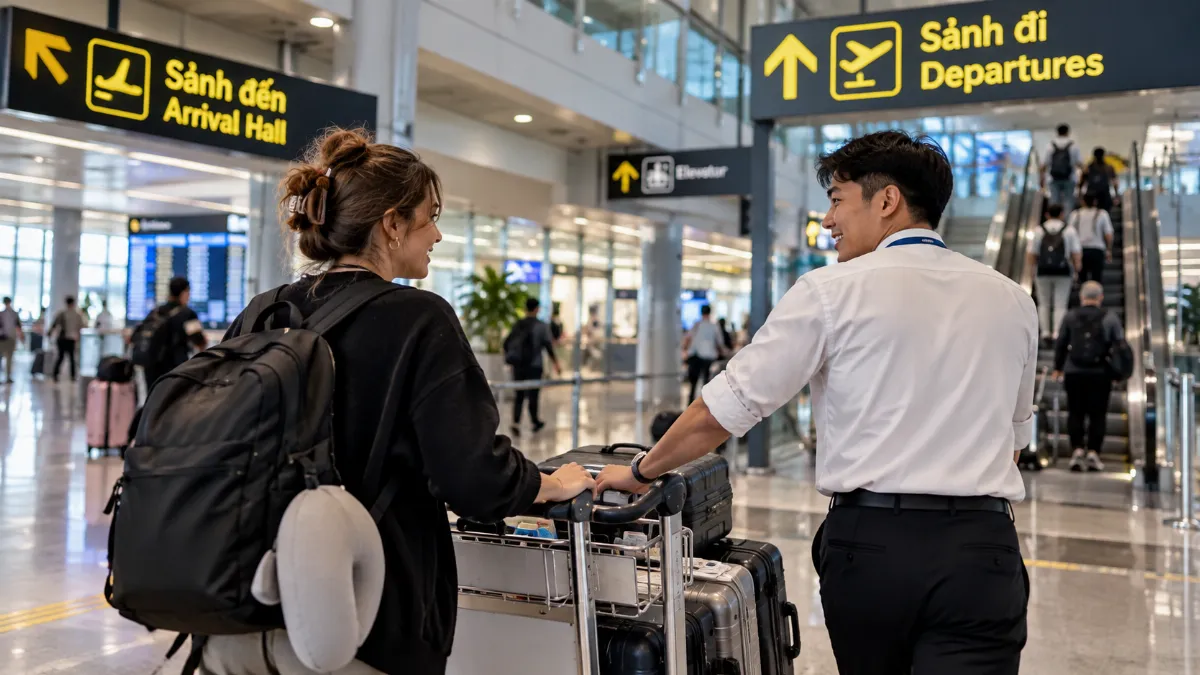
A VIP Fast Track service helps you skip the long immigration lines and recheck your bags in record time, ensuring you never miss your connection.
Key Takeaways
-
If you book separate tickets and have checked luggage, you cannot stay in the international transit area.
-
You must leave transit area Vietnam airport to claim your bags, which requires legally entering the country.
-
There is no specific transit visa Vietnam SGN for this purpose; you must hold a standard tourist eVisa.
-
You must secure a Vietnam eVisa for layover prior to your departure to avoid being denied boarding by your airline.
-
The process to recheck baggage Ho Chi Minh airport is time-consuming. If your layover is tight, investing in a VIP Fast Track service is essential to avoid missing your onward flight.
Frequently Asked Questions (FAQ)
1. What if I am on a self-transfer flight but only have carry-on luggage?
If you only have a carry-on backpack and you already have the digital boarding pass for your second flight, you might be able to stay in the transit area and go directly to your next gate without passing through immigration. However, you should confirm this with your second airline beforehand.
2. Can I get a Visa on Arrival for my layover?
While Visa on Arrival (VOA) exists, it requires a pre-approved approval letter and forces you to wait in another long line at the airport. An eVisa is much faster, safer, and highly recommended for layovers.
3. How much time should I leave for a self-transfer in Vietnam?
We strongly recommend a minimum of 3.5 to 4 hours between flights if you need to clear immigration, collect bags, and recheck them without using a Fast Track service.
4. Will my first airline check my visa if I am only transiting?
Yes. If your tickets are separate, the first airline’s system views Vietnam as your final destination. If you do not have a valid eVisa to enter Vietnam, they will likely refuse to let you board the plane in your home country.
👉 VAC – Your trusted travel and connectivity partner in Vietnam. Book your eVisa and Fast Track here
Whether you need a fast visa, airport fast track, private car, or eSIM, Vietnam-Immi.org is here 24/7 to support your trip.
-
Website: https://vietnam-immi.org
- WhatsApp: +84379522522
-
Hotline: +84.379.522.522
-
Email: [email protected]