English
 简体中文
 VIETNAM-IMMI.ORG


Last Updated: Thursday, August 27, 2026
Planning a trip to Vietnam with a connecting flight? If your itinerary looks something like London → Ho Chi Minh City → Da Nang or Sydney → Hanoi → Phu Quoc, one question often catches travelers off guard: Do I need a Vietnam e-visa for a domestic transfer?
The short answer is: Yes, in most international-to-domestic connections, you'll need to enter Vietnam first, which means you'll need a valid Vietnam e-visa unless you're eligible for visa-free entry.
Many first-time visitors assume they can simply walk to the next gate, but Vietnam's domestic transfer process works differently from some international hubs. Here's everything you need to know before you fly.
When Do You Need a Vietnam E-Visa for a Connecting Flight?
The easiest way to determine whether you need a visa is to ask one question:
Are you entering Vietnam before your next flight?
If your second flight is a domestic flight within Vietnam, the answer is almost always yes. You'll need to pass through immigration at your first arrival airport before continuing your journey.
You need an e-visa for international to domestic connections
These itineraries require entry into Vietnam:
-
New York → Ho Chi Minh City → Da Nang
-
Melbourne → Hanoi → Phu Quoc
-
Singapore → Ho Chi Minh City → Nha Trang
-
Tokyo → Hanoi → Hue
In each of these examples, you'll complete immigration procedures before boarding your domestic flight.
You may not need a visa for international transit only
If you're flying internationally into Vietnam and your next flight is also international, you may remain inside the transit area without entering Vietnam, depending on your airline and ticket conditions.
Always check with your airline before traveling, as transit rules vary based on baggage arrangements and ticket type.
How International to Domestic Transfers Work in Vietnam
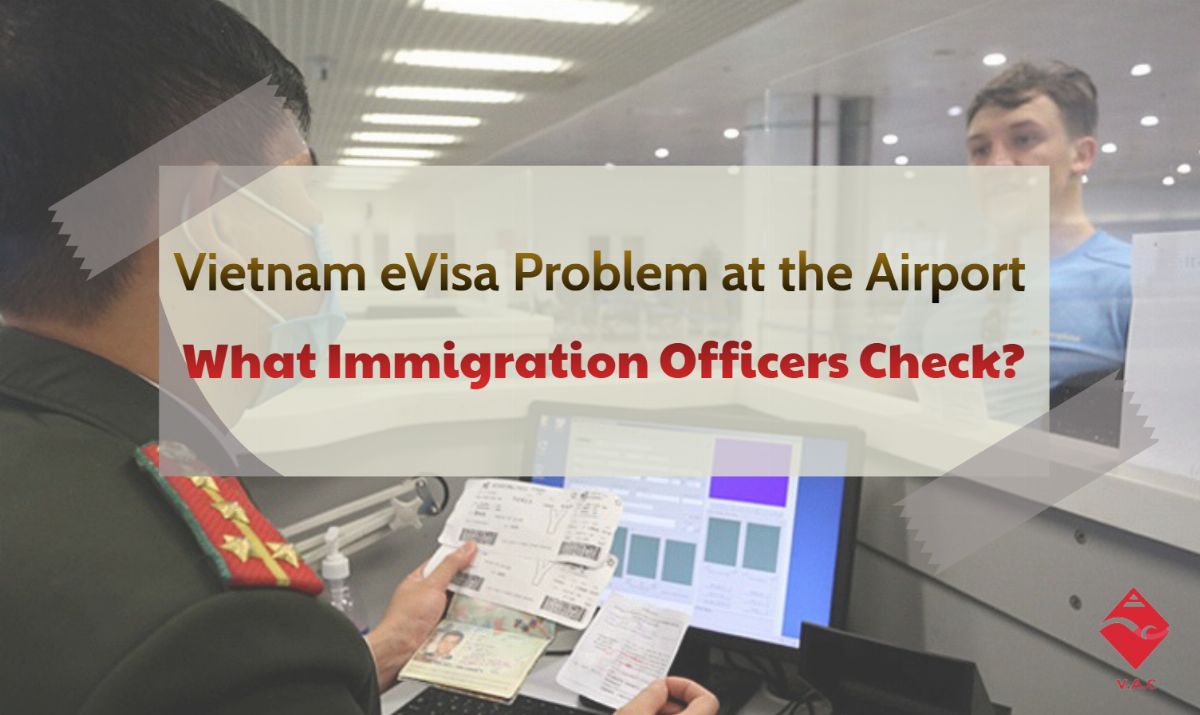
If you're wondering, "Do I need to clear customs for a domestic transfer in Vietnam?" the answer is yes.
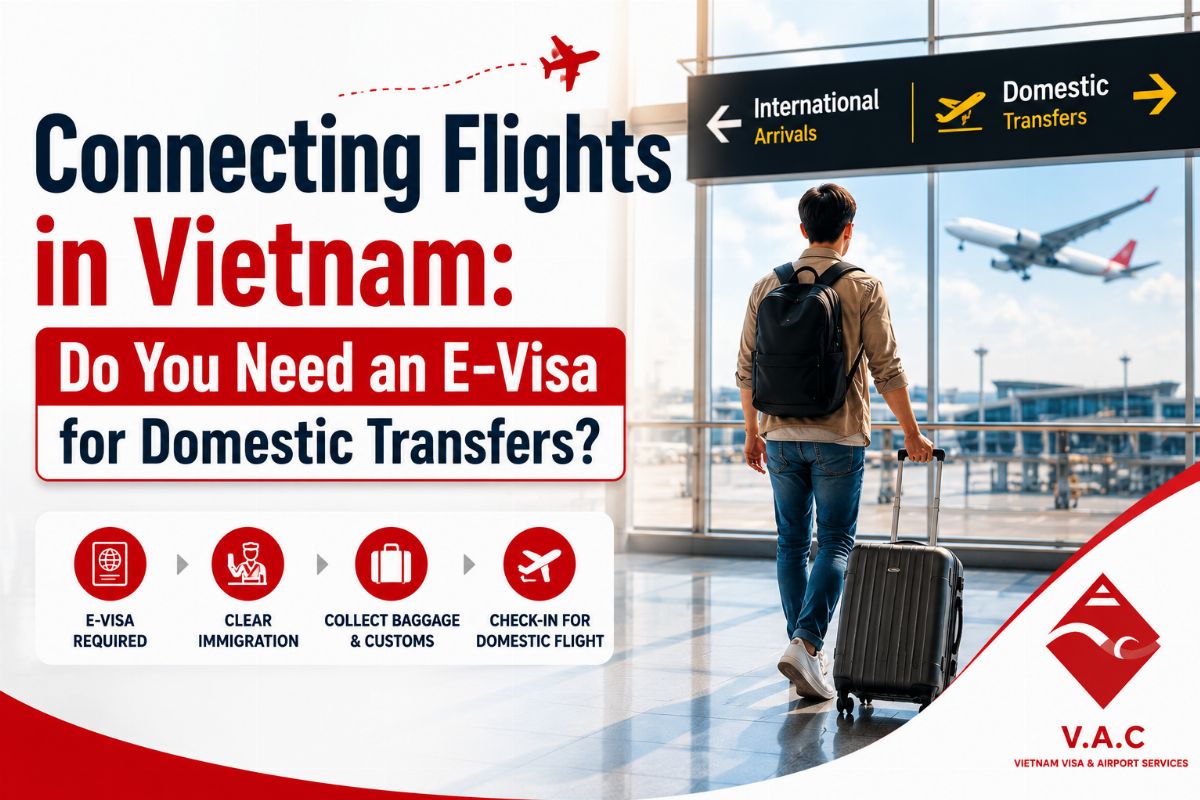
When arriving from abroad and connecting to a domestic flight, you'll go through the full arrival process before heading to your next departure.
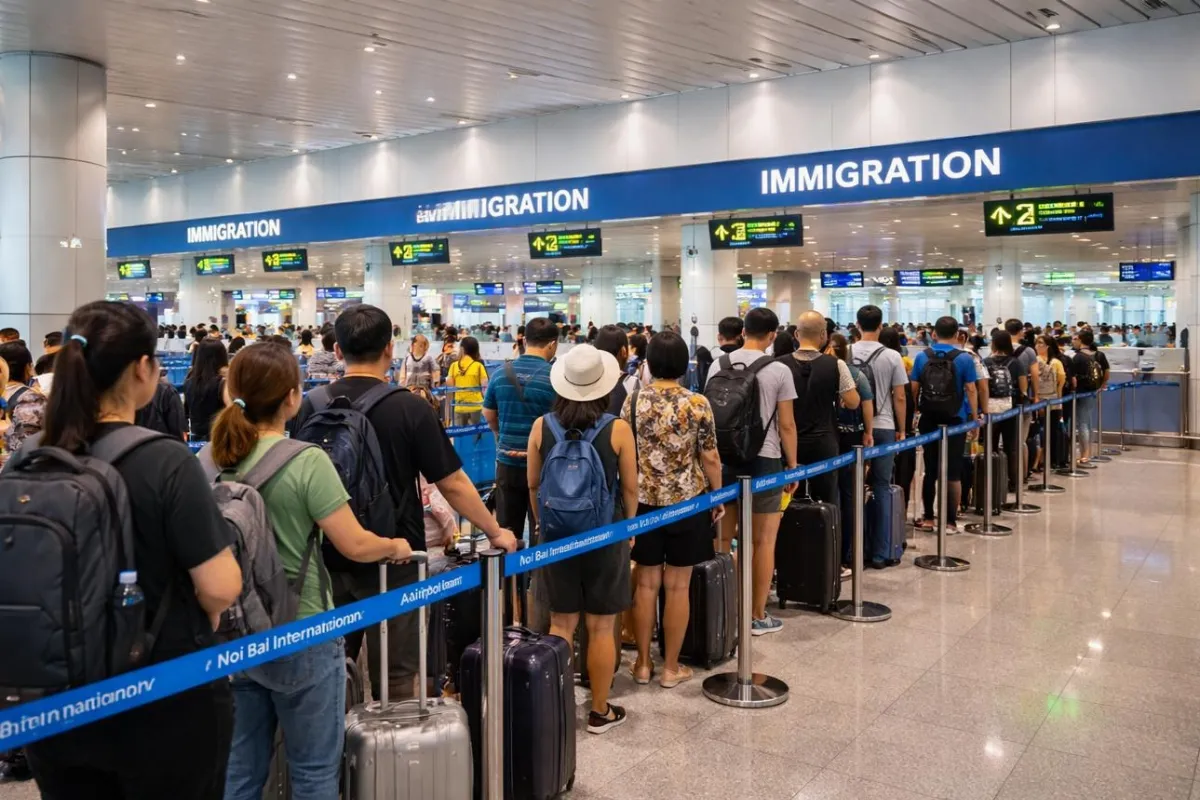
Image source: Collected
Step 1: Clear Immigration
After landing, follow the signs to Immigration.
You'll need:
-
A valid passport
-
Your Vietnam e-visa (or proof of visa exemption)
During peak hours, immigration queues can be quite long, especially at Vietnam's busiest airports.
Step 2: Collect Your Checked Baggage
Unlike some international connections, you'll usually need to collect your luggage after immigration—even if your domestic flight is on the same itinerary.
Step 3: Pass Through Customs
Once you've collected your bags, proceed through customs.
Most travelers with nothing to declare can use the green channel.
Step 4: Check In for Your Domestic Flight
After customs, head to the domestic terminal or domestic check-in counters.
You'll recheck your baggage before passing through domestic security.
Transit at Tan Son Nhat Airport (Ho Chi Minh City)
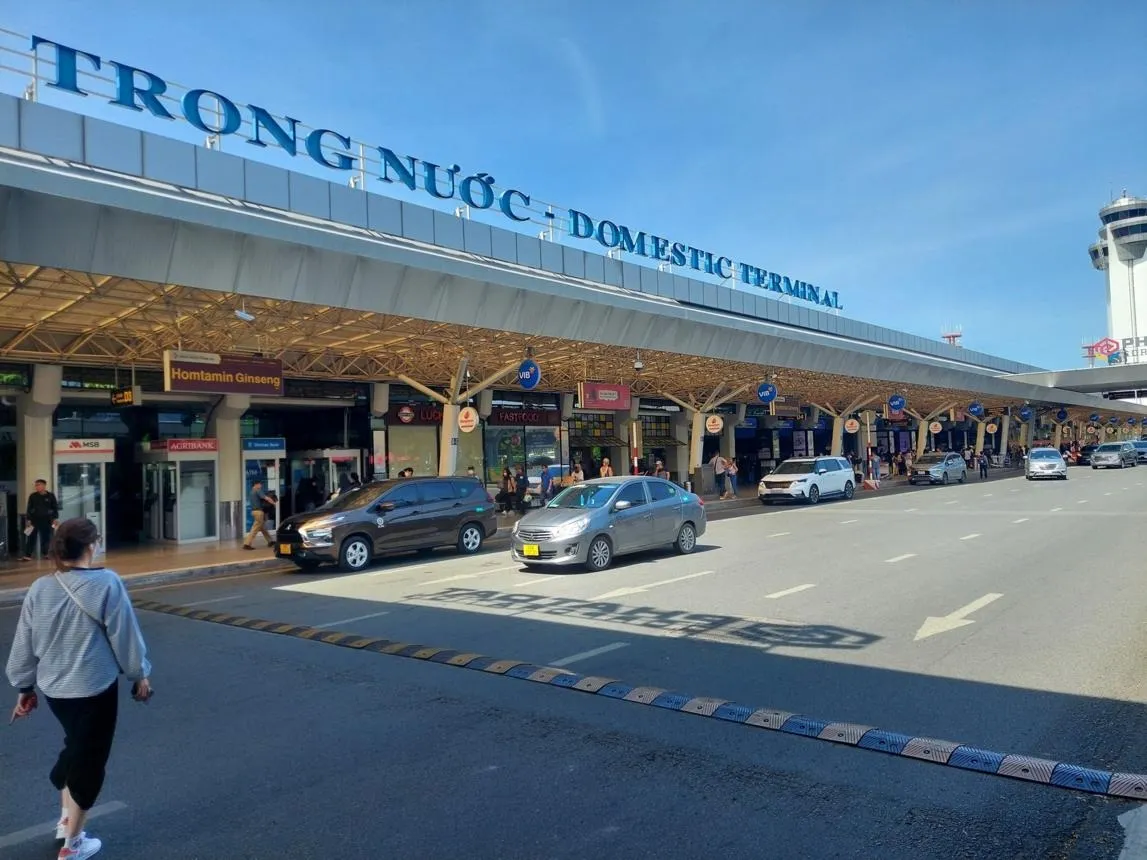
Image source: Collected
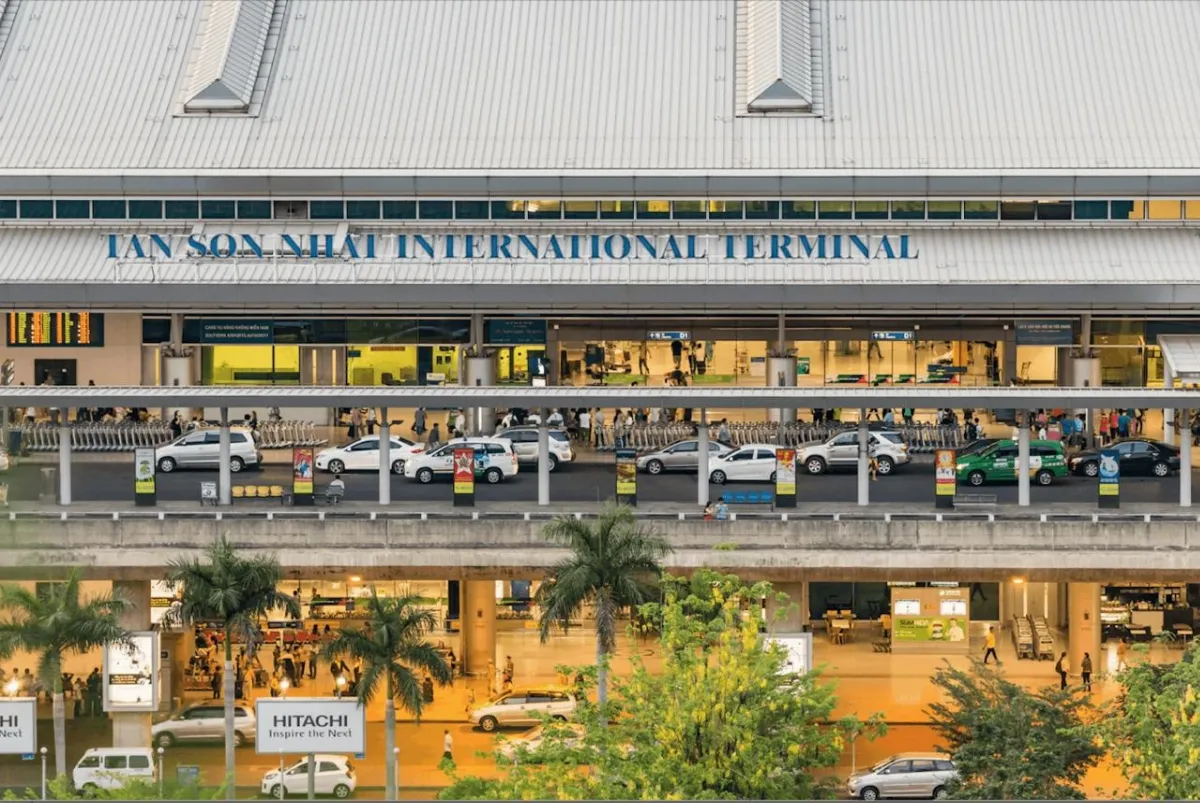
Image source: Collected
Tan Son Nhat Airport (SGN) is Vietnam's busiest airport and one of the country's most common connection points.
What to expect
-
International flights arrive at the international terminal.
-
Domestic departures operate from a separate terminal.
-
You'll exit the international arrival area before checking in again.
-
Walking between terminals is possible, but crowds can slow things down.
How much time should you allow?
For a comfortable transfer, it's recommended to allow:
-
At least 3 hours for standard connections.
-
Around 4 hours during holidays or busy travel periods.
Transit at Noi Bai Airport (Hanoi)
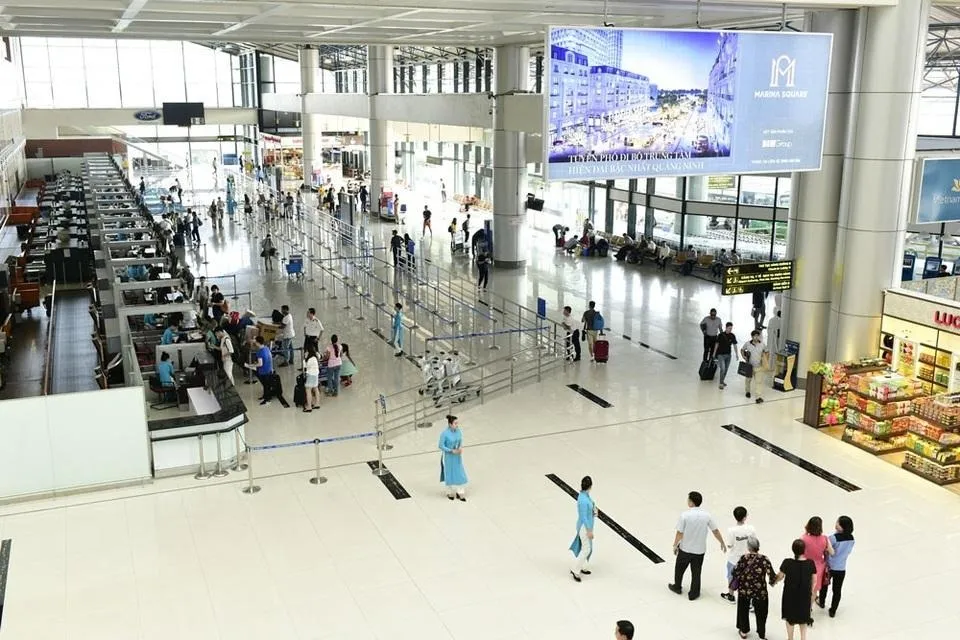
Image source: Collected
If you're connecting through Noi Bai Airport (HAN), the process is similar but generally more straightforward.
Transfer process
-
Arrive at Terminal 2 (international).
-
Complete immigration.
-
Collect your luggage.
-
Pass customs.
-
Transfer to Terminal 1 for domestic departures.
A free shuttle bus connects the two terminals, making the transfer relatively easy.
How Much Time Should You Leave Between Flights?
Choosing the right connection time can make the difference between a relaxed arrival and a stressful sprint through the airport.
|
Connection Type |
Recommended Time |
|
International → Domestic |
3–4 hours |
|
Domestic → International |
3 hours |
|
International Transit Only |
Follow airline guidance |
If you're traveling during Tet, summer holidays, or other peak seasons, giving yourself extra time is a wise decision.
Can Fast Track Help During a Domestic Transfer?
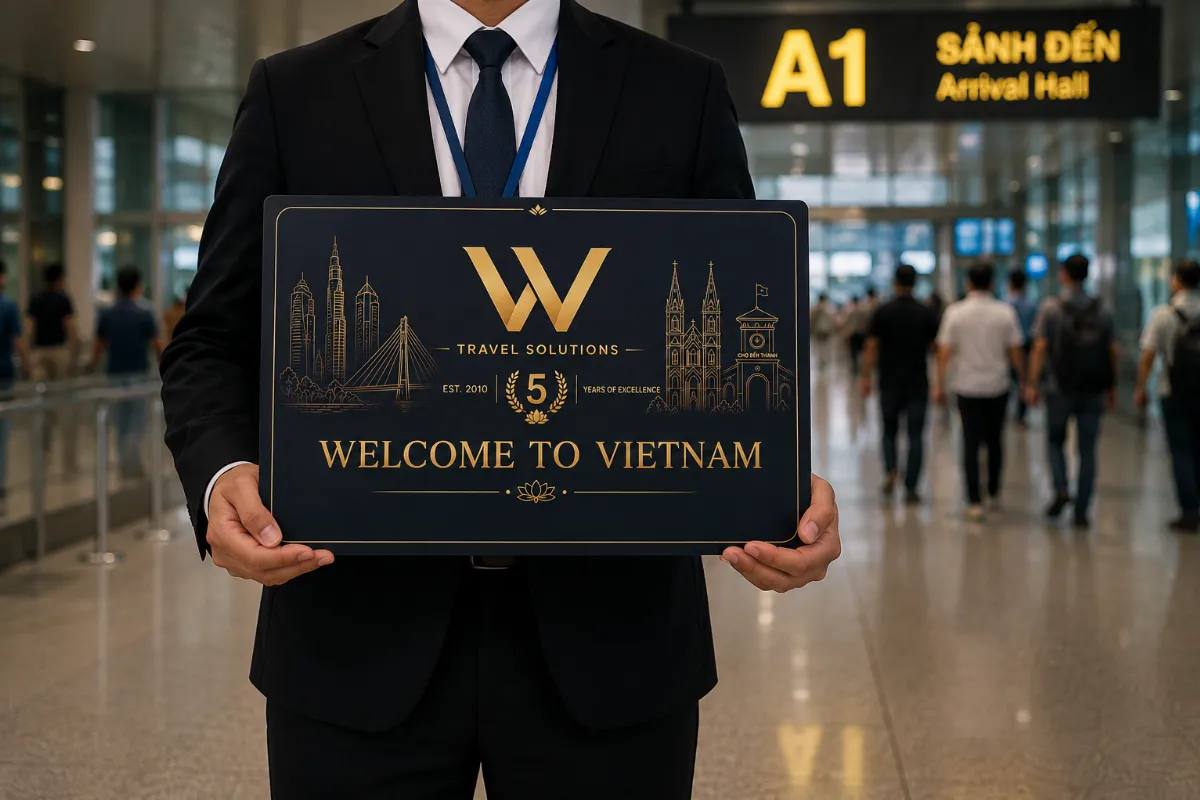
Image source: vietnam-immi.org
Yes—especially if you're arriving after a long-haul flight or have a relatively tight connection.
A Vietnam Airport Fast Track Service can help you:
-
Skip long immigration queues.
-
Move through arrival procedures faster.
-
Reduce the risk of missing your domestic connection.
-
Receive assistance navigating the airport.
This service is particularly valuable at Tan Son Nhat and Noi Bai, where immigration lines can become lengthy during busy arrival periods.
Common Mistakes Travelers Make
A little preparation can help you avoid unnecessary stress.
Assuming you can walk straight to your domestic gate
Many first-time visitors expect domestic transfers to work like international transit, but you'll need to enter Vietnam first.
Booking connections that are too short
A 90-minute connection may seem enough on paper, but immigration, baggage collection, customs, and terminal transfers often take longer than expected.
Forgetting to collect checked luggage
Many travelers assume their bags will automatically continue to the final destination, but international arrivals usually need to collect and recheck luggage.
Not checking visa requirements in advance
Some nationalities can enter Vietnam visa-free, while others must obtain an e-visa before departure. Confirm your eligibility before traveling.
Frequently Asked Questions (FAQ)
Do I need a visa to transit in Vietnam?
If you're staying inside the international transit area on an international-to-international connection, you generally don't need a visa. If you're connecting to a domestic flight, you'll usually need a valid Vietnam e-visa or qualify for visa-free entry.
Do I need to clear customs for a domestic transfer in Vietnam?
Yes. International arrivals connecting to domestic flights must clear immigration, collect baggage, pass customs, and recheck luggage.
Can my baggage be checked through to my domestic destination?
Sometimes, but in many cases you'll still need to collect your luggage after arriving internationally and check it in again for your domestic flight.
How early should I arrive for an international-to-domestic connection?
Plan for at least 3 hours, and closer to 4 hours during busy travel seasons.
Key Takeaways
-
International-to-domestic connections require entering Vietnam.
-
Most travelers need a valid Vietnam e-visa unless they're eligible for visa-free entry.
-
You'll clear immigration, collect baggage, pass customs, and check in again for your domestic flight.
-
Allow 3–4 hours for a comfortable connection.
-
Fast Track services can help reduce waiting time at busy airports like Tan Son Nhat and Noi Bai.
Whether you need a fast visa, airport fast track, private car, or eSIM, Vietnam-Immi.org is here 24/7 to support your trip.
-
Website: https://vietnam-immi.org
-
App IOS Download: Download on App Store
-
App Android: Download on Google Play
-
WhatsApp: +84379522522
-
Hotline: +84.379.522.522
-
Email: sales@vietnam-immi.org